
Ending the cruelest farming practices one company at a time
From large corporations to small supply chains, companies of all sizes have the power to protect the lives of millions of animals. However, when the desire for profits outweighs this sense of responsibility, corporations begin to cut corners in their supply chains to save time and money. From caging mother pigs in tiny cages to inexperienced workers performing painful mutilations without anesthetic, animals end up paying the price for this greed.
But this cruelty can end with every policy reform. Animal Equality’s corporate outreach department, led by Dane Charbeneau, strategically encourages companies to implement meaningful animal protections that will significantly reduce the suffering of animals.
While Animal Equality’s end goal is always to stop cruelty by ending the use of animals for food, working with companies is essential to protect these feeling beings from excessive suffering in the present.
As the first Animal Equality team member in the United States, Dane has seen up close the impact of these policies. In 2022 alone, 57 companies committed to improving their supply chains, resulting in over 122 million chickens, hens, and pigs having better protections from some of the cruelest farming practices.
For Animal Equality’s ninth anniversary in the US, we sat down with Dane to learn more about her team’s strategic corporate work and what animal campaigns they’re focused on winning this year.
Hi, Dane! Can you please introduce yourself?
Sure. My name is Dane Charbeneau. I am Animal Equality’s Campaign Manager in the US, and I’ve been with Animal Equality for about eight years now.
The first half of my time with Animal Equality was mostly spent on educational campaigns, and the last… the second half has been focused on corporate campaigns for animals.
So, this year Animal Equality in the US has focused on campaigns against gestation crates for pregnant mother pigs. Why did Animal Equality choose this as one of its priority issues to focus on?
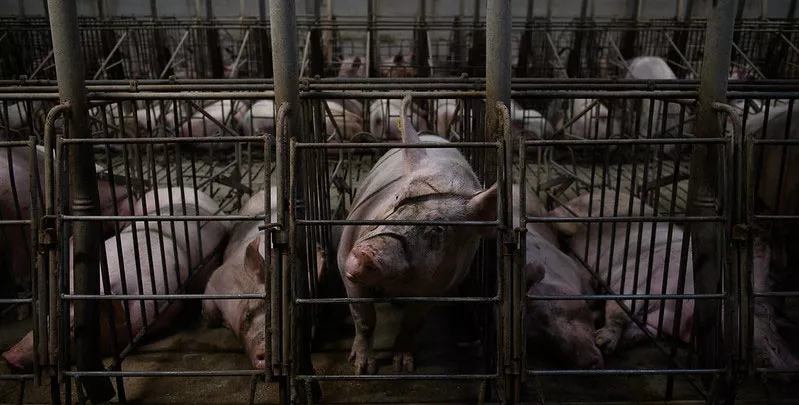
Dane: I think it was a really strategic decision based on Animal Equality’s commitment to ending the suffering of animals used for food. Pregnant mother pigs enduring the horrors of gestation crates, to me, really symbolize the epitome of cruelty in our food system. The sheer inhumanity of confining animals in spaces so small that they can’t even turn around is almost difficult to comprehend. So, this decision was fairly easy for us.
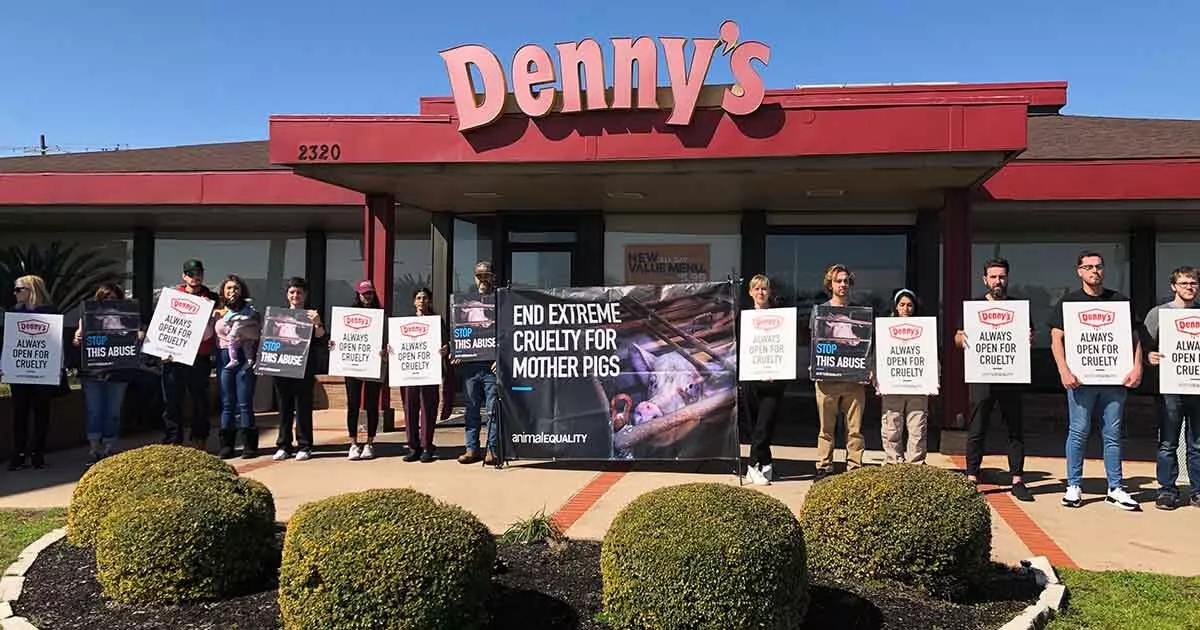
We felt like it was our duty to speak out on this issue. And you know we’ve not only educated the public about what happens to animals behind closed doors. We’ve also been able to encourage and influence companies like Denny’s and Aldi to take a stand against it by committing not to purchase from farms that cage animals.
How does ending gestation crates play into our strategy to end factory farming altogether?
I think that, like I said, Animal Equality is committed to ending, like, the worst abuses for animals used for food. And I think by starting with the worst of the worst, it just kind of moves us in that direction to a much more humane world for animals. And, you know, every time that we see improvements in our food system, like the movement away from cages, we can see that laws are being put in place to completely ban this. So it becomes not just a commitment by a company, but it becomes a legal issue as well.
And then we also see education in the public and how people are starting to learn about what really happens to animals on factory farms and in slaughterhouses. And so, with this education, they can make more informed decisions about what they choose to eat and, hopefully, move towards consuming plant-based products over animal products.
How would you describe the life of a pig in a gestation crate?
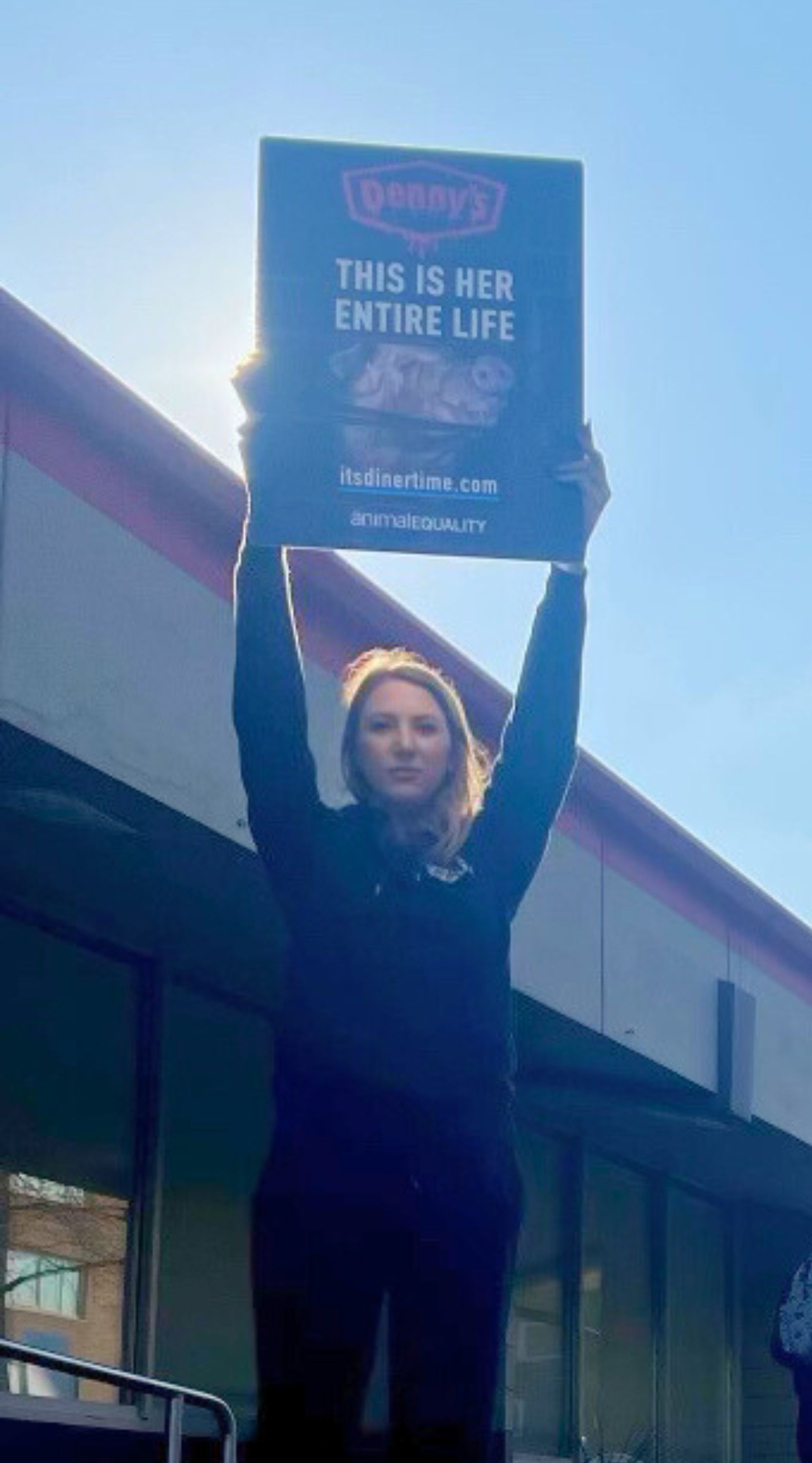
Well, it’s heartbreaking, really. I mean, imagine being confined in a space that’s barely larger than your body for months on end. It’s a life of utter deprivation. If you deny these intelligent and social animals anything that’s natural to them…the ability to express any natural behaviors…let alone the joys of motherhood. And it’s really their entire lives that they have to live this way.
After giving birth, these mother pigs are moved into similar cages called farrowing crates. They’re just slightly larger than a gestation crate, with, like, a concrete slab where the piglets will live and have to feed through metal bars.
After two to three weeks, these piglets are separated from the mother, and the mother is forced back into the gestation cycle and impregnated again and again.
[She] continues to be forced into this cycle of abuse and this forced breeding and imprisonment. So this intense confinement, the loneliness, the deprivation…it can really put a huge strain on these animals that are really intelligent, and it causes, essentially, these animals to go insane. And it’s manifested through abnormal behaviors such as knocking your head back and forth or biting on the metal bars.
After, you know, three or four years, their bodies are usually pretty exhausted at this point, and then they’re sent to slaughter way too soon…way before their life expectancy. So it’s a horrible existence, and you know we’ve decided we need to make it a priority to end this cruelty.
How do Americans’ expectations for Denny’s and all these supply chains differ from reality?
I think there’s a significant gap between what consumers expect and the reality of the conditions animals face in these supply chains.
Americans are increasingly concerned about animal welfare, and they’re definitely ready for change. They expect companies like Denny’s and ALDI to uphold their commitments and demonstrate responsibility in their business practices, and we’re here to ensure that those expectations are met.
We’ve made it our duty to bridge this gap and hold companies accountable for meeting their customers’ expectations.
What are your thoughts about the son of a Dennis franchise executive giving the finger to advocates speaking out for animals?
I mean, it’s disheartening to say the least. This was during a protest that we held outside a Denny’s Franchise Association conference, and these franchisees have a lot of sway.
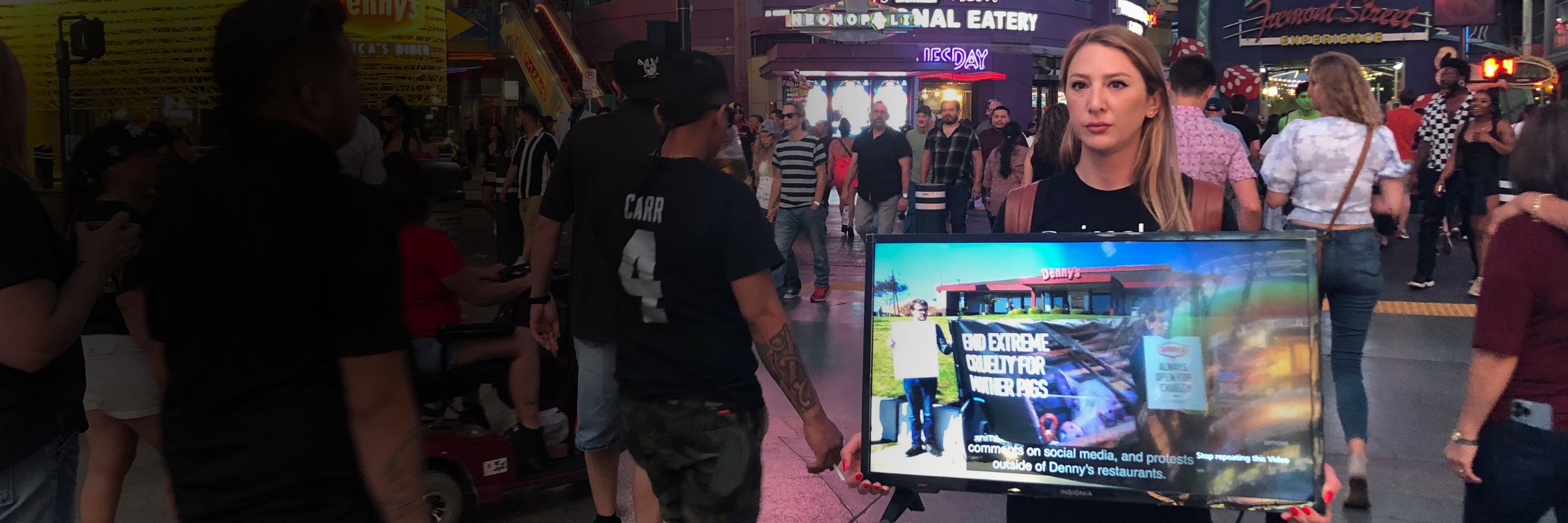
About 97 percent of Denny’s restaurants are owned by franchisees, and some of these franchisees are on the Supply Chain committee, where purchasing decisions are made for the entire company. Instead of Denny’s franchisees using this opportunity to address the pressing issue of animal abuse in their supply chain, we were met with glares and a dismissive gesture. So, it was, you know, really unfortunate to see. It’s not only a slap in the face to the animals but also to Denny’s stakeholders and the loyal customers who have been calling for this change.
What are the benefits and challenges of launching a global campaign against ALDI, and how is it rewarding to work with our German colleagues?
I think the benefit lies in creating widespread change for animals by targeting a major retailer like ALDI. A commitment from them would not only improve the lives of countless animals in their supply chains but also help push the industry away from the use of cages. And yes, it comes with many challenges.
ALDI is a huge global company. They’re a private company, and there are, you know, fewer pressure points for us to take with a company like ALDI. And we’ve had a hard time finding opportunities to target decision-makers in Germany and Austria.
Collaborating with our German colleagues has been really rewarding; we get to learn from each other and find strength in each other. And, you know, working together on a campaign unifies our impact and really demonstrates the global nature of our cause and the power of collective advocacy.
This year, we’ve seen a huge shift away from gestation crates in the food service sector. How would a commitment from ALDI or Denny’s support this shift?
A commitment from ALDI or Denny’s would send a powerful message to the entire industry, influencing suppliers and encouraging other companies to follow suit. I think it’s a crucial step towards establishing, you know, more humane practices and aligning the food sector. With the growing demand for increased protection for animals.
You’ve mentioned that corporate campaigns are all about eliminating the cruelest practices in the industry. How do these incremental successes lead to long-term change for animals?
Each commitment that we achieve from a company helps to build momentum and set a precedent by eliminating the cruelest practices for animals. One by one, we’re helping to create a new standard for how animals are viewed and how they’re treated. And companies are realizing that prioritizing animal welfare is not only the moral thing to do but also is good for business in the long run.
While we’re pushing for these corporations to make changes, we’re also supporting legal initiatives and laws, like Proposition 12 in California, that ban extreme confinement. There are now 11 states in the US that have banned the use of gestation crates.
These animal welfare commitments made by companies, especially major players like Denny’s and ALDI, really helped to supplement these efforts and push the industry in the right direction. So, over time, these incremental changes can accumulate, fostering a shift in the industry that leads to lasting improvements for animals.
How do winning corporate policies and shifting to plant-based foods go hand in hand?
I definitely think they’re interconnected. Both are approaches to a larger movement towards a more compassionate and sustainable food system. Through our corporate policies, we can move the industry away from cruel practices like the use of cages. And the shift to plant-based foods aligns with reducing both overall animal suffering and environmental impact.
We’ve even seen that when companies adopt higher animal welfare standards, they often reevaluate what they offer on their menus. Sometimes this means adding more plant-based options or even swapping out some animal products altogether, as we saw with a company called Just Salad a few years ago, which started using Beyond Meat in place of Beef. And that was announced the very same month that they adopted the Better Chicken Commitment. So yeah. I think these two strong approaches to a kinder world for animals definitely go hand in hand.
Save Animals from Abuse
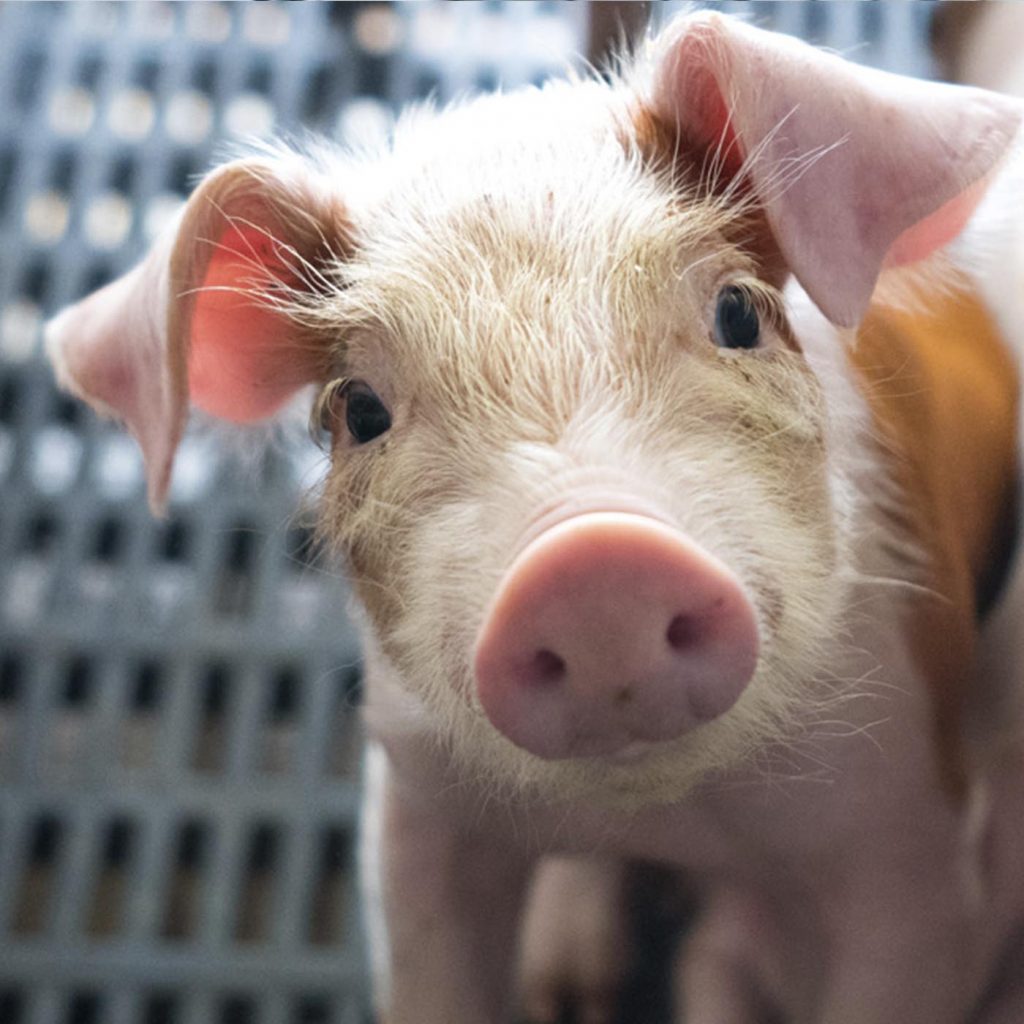
Pigs, cows, and other animals feel pain and deserve to be protected from abuse.
You can protect these intelligent animals by simply choosing plant‑based alternatives.
What does Animal Equality’s anniversary in the US mean to you?
Yeah. I think it’s a great time to look back on the incredible journey that we’ve undertaken this past year…the lives that we’ve impacted…the positive changes we’ve been able to make and contribute to.
From our work to help mother pigs to shining a light on horse slaughter, changing laws, and even teaching chefs in Mexico how to create delicious plant-based meals.
It’s been another year of hope for animals, and it’s a good reminder for us to look back on our achievements and celebrate the progress, but also recognize how far we still have to go. For me, it’s a moment to reflect on our journey and celebrate the collective impact we’ve made together.
What is your favorite plant-based meal?
That is so hard! There are so many great new vegan products coming out all the time. But I think it would have to be something Tex-Mex since that’s what I grew up eating. So, one of my go-to staples is jackfruit, and I love to incorporate it in different ways. But my favorite is doing something Mexican… Tex-Mex style. So I like to shred it up and put a good amount of seasoning on it and either make something like a torta or make some shredded jackfruit tacos…one of my specialties.
How do our supporters, especially our monthly donors, help make this corporate work to end animal cruelty possible?
Yeah, well, they are really the backbone of our work. Donors and supporters enable us to conduct impactful campaigns, engage with corporations, and push for meaningful change. Their generosity really fuels our work, enabling us to make strategic decisions and amplify the impact we can have for animals.
Their commitment really empowers us to hold companies accountable and create meaningful change for animals globally. They really make our work to end animal cruelty possible.