


Mercadona, Spain’s biggest grocer, broke its egg promise

Mercadona, Spain’s largest supermarket chain, promised to improve conditions for hens in its egg supply. The deadline has passed, and the company has silently backed away from its public promise, seemingly without reason.
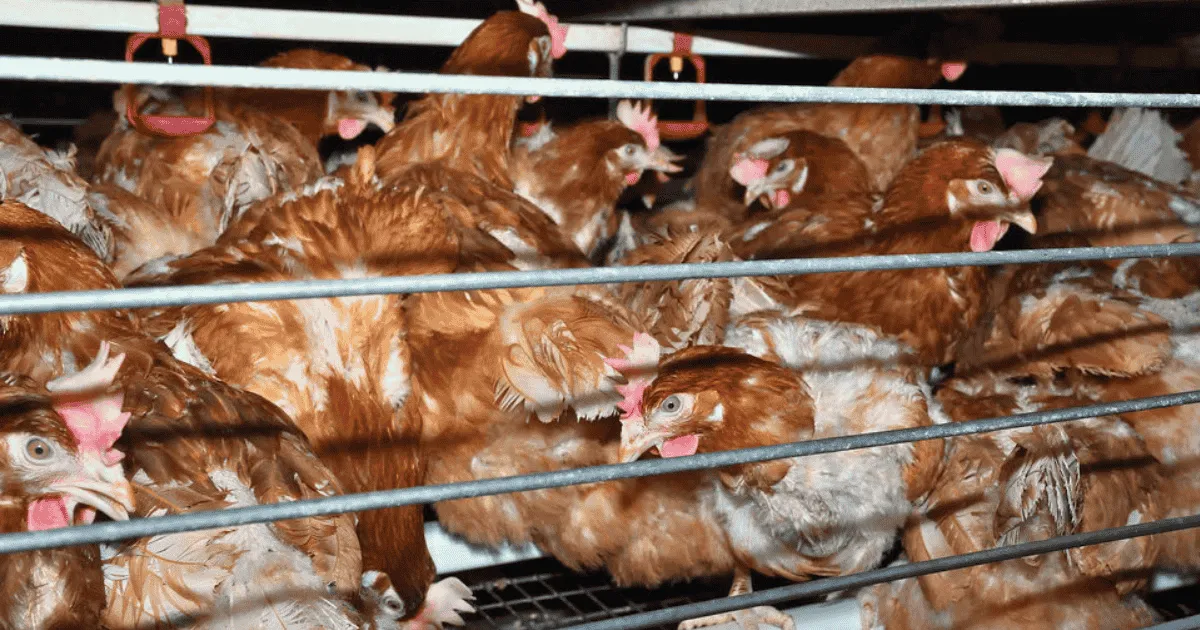
In 2018, Mercadona committed to stop sourcing eggs from hens kept in cages, renewing that pledge in following years and setting a final deadline for the end of 2025. That deadline passed with only 65% of its eggs meeting the standard, leaving the other hens trapped in cages with no end in sight.
Mercadona’s broken egg commitment
Animal Equality’s campaign in Spain dates back to 2017, when pressuring companies to end the use of cages for hens first began. At that time, 93% of hens in Spain were kept in cages. By 2020, that figure had dropped to 77%, in part due to campaigns and corporate policies secured by organizations like Animal Equality.
Mercadona was among the companies that responded to that pressure. In 2017, Animal Equality secured a cage-free policy from a key Mercadona egg supplier, a sign that change was possible. The following year, Mercadona itself made a public commitment to transition its entire egg supply chain away from hens kept in cages by 2025.
Mercadona originally set a 2023 deadline, failed to meet it and then pushed the target to the end of 2025 without a clear plan.

Mercadona posts record profits while hens remain in cages
On March 10, 2026, Mercadona presented its annual results at its Co-Innovation Center in Paterna, Valencia, and announced a net profit of approximately $2 billion in 2025, an increase over the prior year.
“Juan Roig, President of Mercadona, spoke about the company’s results and future plans, but failed to explain why Mercadona still sells eggs from caged hens or how it plans to fulfill its public commitment..” — Javier Moreno, co-founder of Animal Equality
The reality for hens kept in cages
In the egg industry, hens spend their lives confined in cages so small they cannot spread their wings, walk normally, or perform natural behaviors such as nesting or dust bathing. The extreme confinement and unsanitary conditions produce constant suffering: chronic stress, feather loss, open wounds, and severe damage to their limbs. Many die before ever leaving the cage.
Animal Equality’s global campaign for hen protection
The Mercadona campaign is part of Animal Equality’s broader effort to hold corporations accountable for unfulfilled animal protection pledges.
In March 2026, Animal Equality closed its campaign against global retailer Ahold Delhaize after the company formally committed to phasing out cages for hens and pigs, publishing annual progress reports, and posting cage-free signage in its U.S. stores. The policy is estimated to affect 5 to 7 million hens.
Spain is home to 23% of all caged hens in the European Union (Animal Welfare Observatory), making corporate accountability there especially crucial. Cage bans are already in effect in several European countries, and the push for stronger protections for hens in egg supply chains continues to grow.
Animal Equality is demanding that Mercadona disclose verified progress data, set a new, concrete deadline and commit to a clear roadmap for completing the transition.
Animal Equality continues to press Mercadona to keep its word.
Explore egg-free options
Every egg purchase supports an industry that confines hens. Love Veg makes it easy to explore delicious plant-based alternatives with a free cookbook featuring recipes from eight countries. Download yours today.
Live kindly
With rich emotional lives and unbreakable family bonds, farmed animals deserve to be protected.
You can build a kinder world by replacing animal food products with plant‑based ones.