
Brazil’s foie gras ban one step away from making history in Latin America

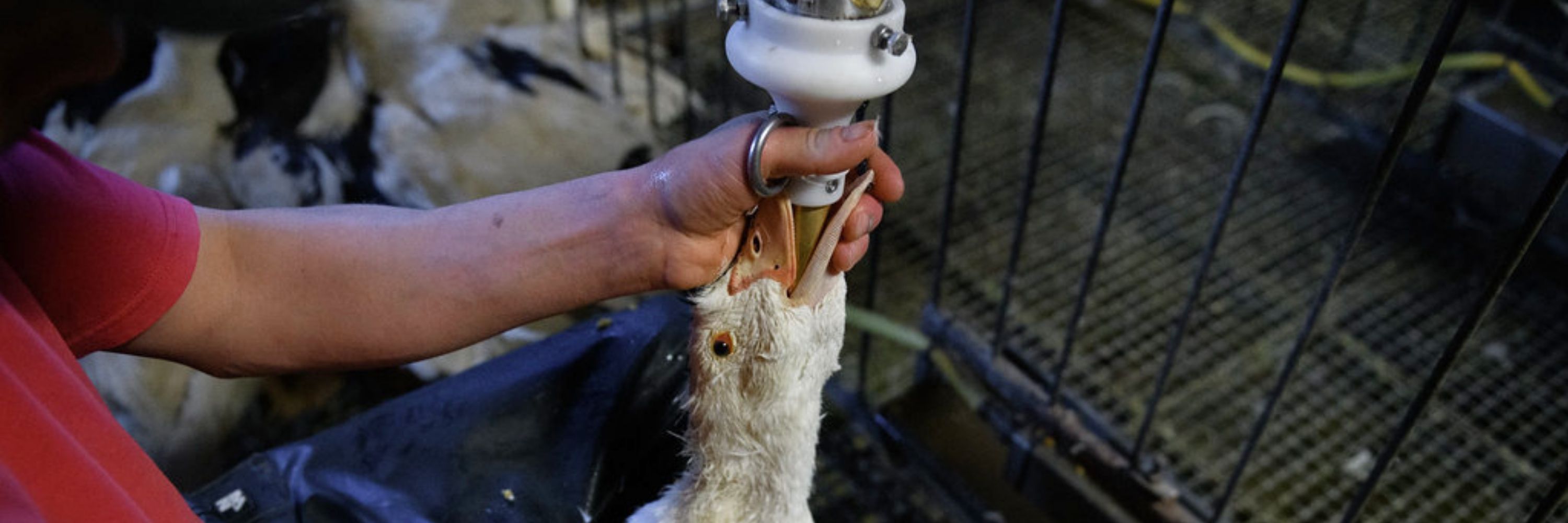
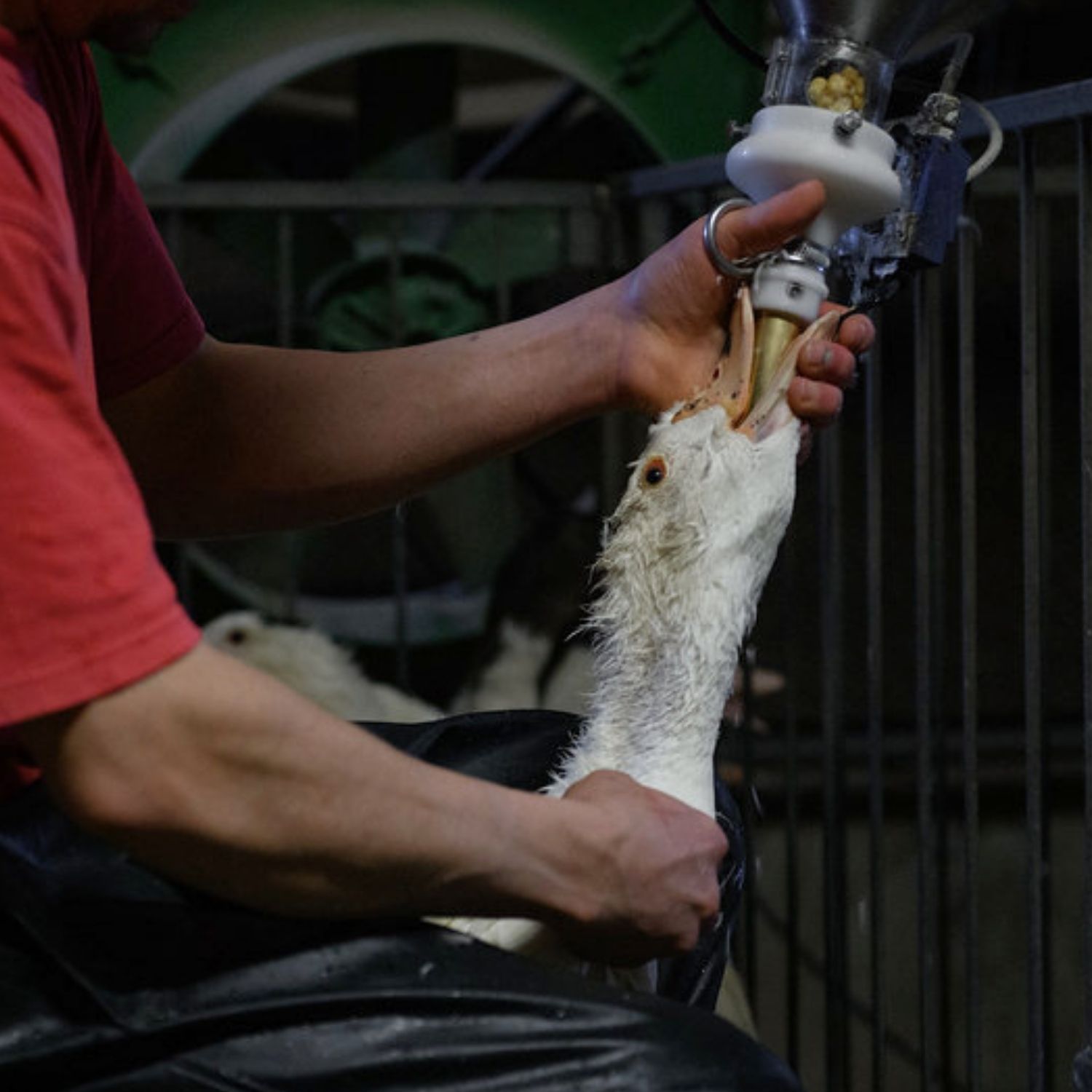
- Brazil’s Congress approved a bill banning the production and sale of foie gras, produced by force-feeding animals.
- The bill now heads to the president for signature. If signed, Brazil will be the first country in Latin America to ban both production and sale at the federal level.
- The campaign, led by Animal Equality, gathered more than 288,000 signatures over six years of advocacy.
UPDATE – July 24, 2026
Brazil has made history as the first country in Latin America to ban foie gras, following the signing of a landmark bill by President Luiz Inácio Lula da Silva.
UPDATE – July 21, 2026
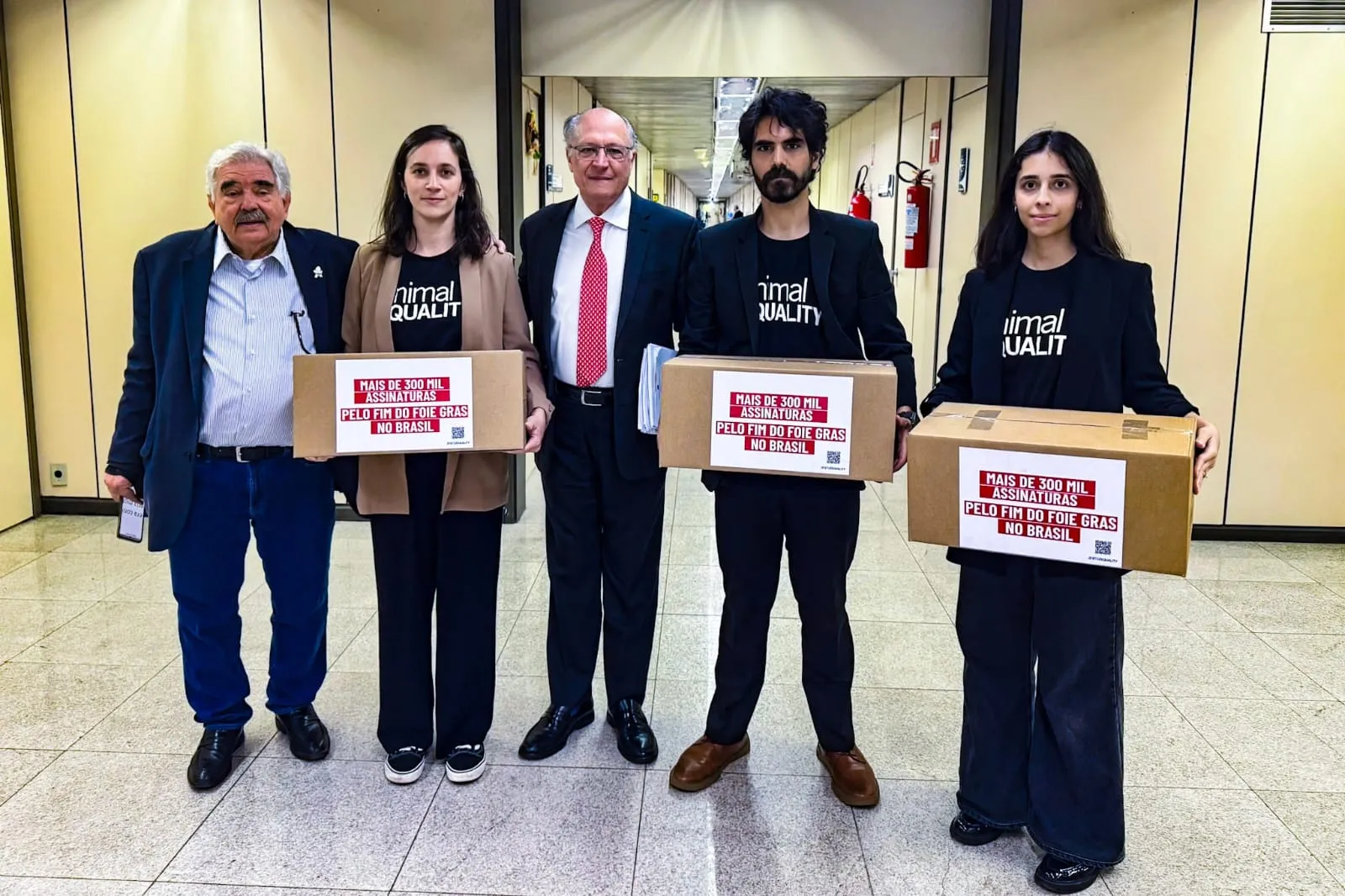
Animal Equality delivered over 300,000 signatures in support of the foie gras ban to Vice President Geraldo Alckmin.
UPDATE – July 8, 2026
President Lula of Brazil received the foie gras bill passed by Congress. He has 15 working days to sign or veto the bill.
Brazil is one step away from making history on animal protection. On April 28, the country’s Chamber of Deputies approved Bill 90/2020, which bans the production and sale of foie gras, a luxury product made by force-feeding ducks and geese through metal tubes inserted into their throats. The bill now awaits President Lula’s signature.
If signed into law, Brazil will become the first country in Latin America to ban both the production and sale of foie gras under federal law.
How Animal Equality helped ban foie gras in Brazil
The bill’s passage is the result of more than six years of mobilization by Animal Equality in Brazil. Since its launch in 2020, Animal Equality’s campaign to end foie gras in Brazil combined political pressure, public mobilization, and institutional outreach, advancing the bill through the Senate, three committees in the Chamber, and a reversal of an unfavorable ruling in 2024. More than 300,000 people signed on in support of protecting animals from this cruelty.
This is a historic decision. Brazil has the opportunity to affirm that the extreme cruelty of force-feeding should have no place in food production. In a country with enormous relevance in the global agricultural industry, this advancement sends a powerful message: animal suffering cannot be treated as a luxury ingredient. – Sharon Núñez, President of Animal Equality.
Brazil set to become next country to ban foie gras
More than 20 countries already prohibit foie gras production, including Argentina, the United Kingdom, Germany, and Italy. Brazil’s bill would ban both production and sale under federal law, something no other country in the Western Hemisphere has done.
The proposal still requires President Lula’s signature before taking effect. Animal Equality will continue monitoring the bill’s progress and work to ensure the law is fully implemented.
PROTECT DUCKS
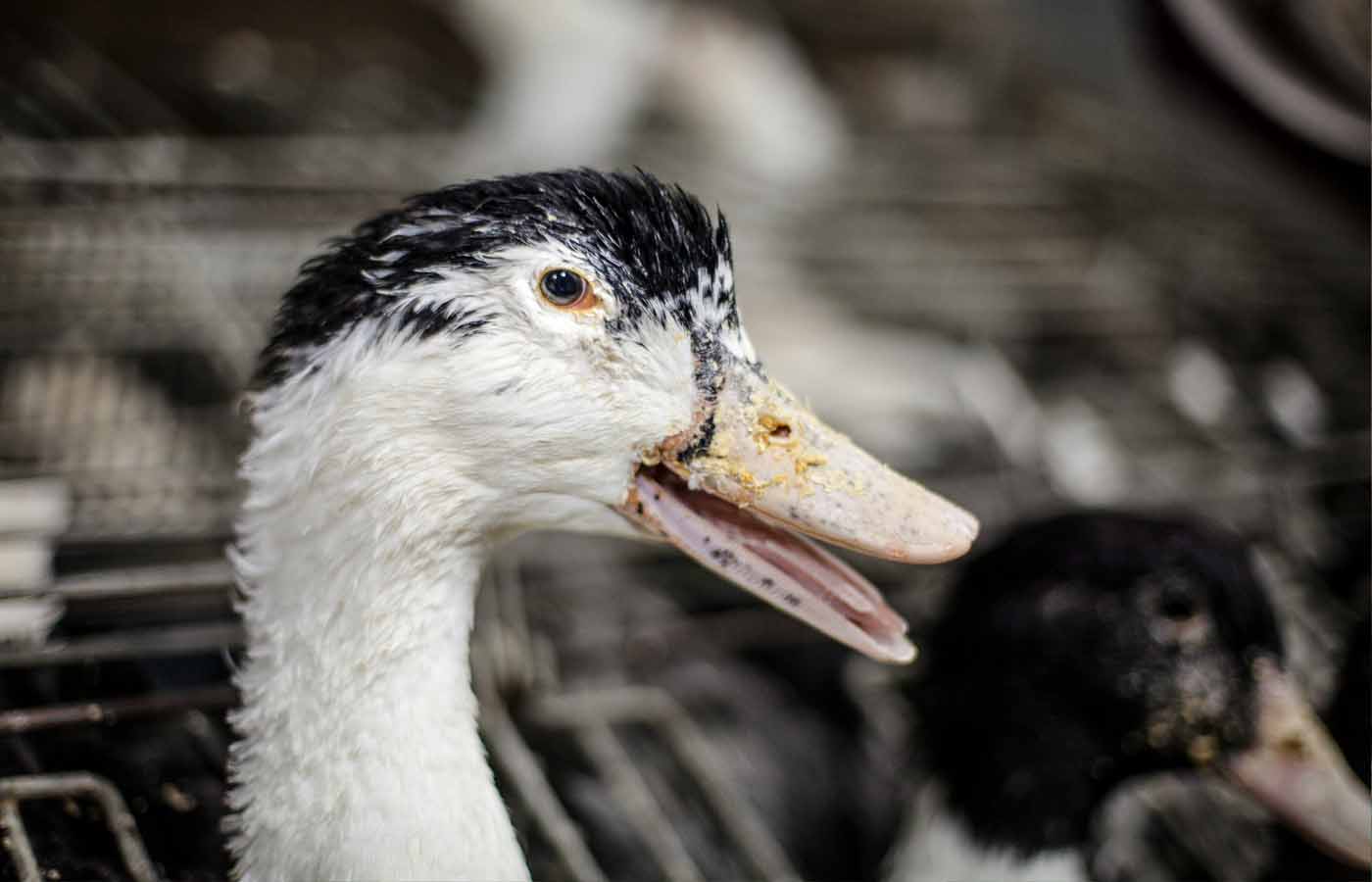
Even before hatching from their eggs, ducklings communicate with their close‑knit families.
Protect these families by eating plant‑based and ditching animal products.