

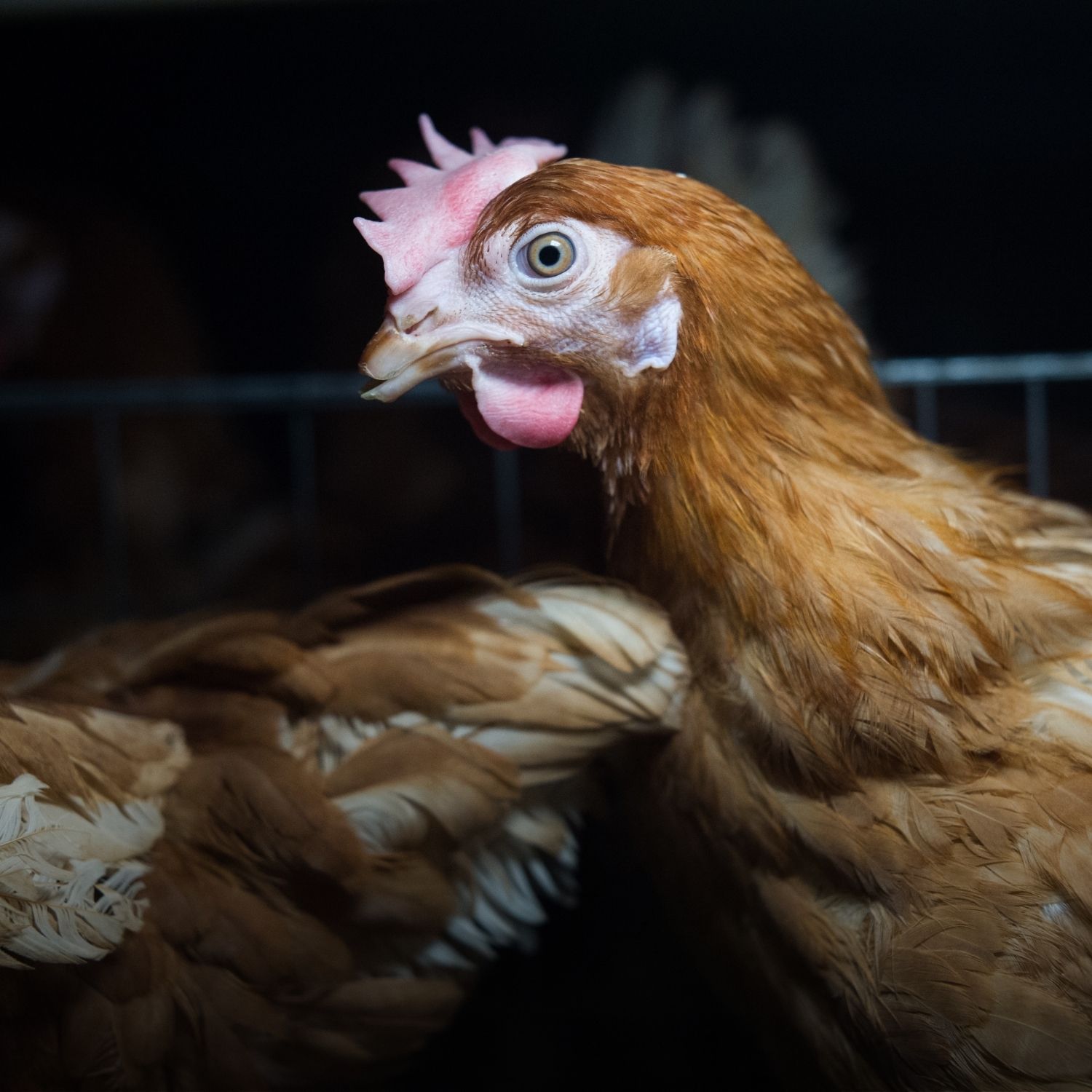
Mercadona, Spain’s largest supermarket, reaffirms its commitment to eliminating cages from its egg supply

Mercadona, Spain’s largest supermarket, has published an update on its cage-free commitment. The company confirms that its 65% cage-free supply comes exclusively from facilities that do not use cage systems.
Animal Equality, which launched a public campaign calling on Mercadona to fulfill its commitment, acknowledges the company’s reaffirmation and its communication of supplier transformation efforts, but underscores that the 100% target has not yet been reached.

How far has Mercadona come on its cage-free commitment?
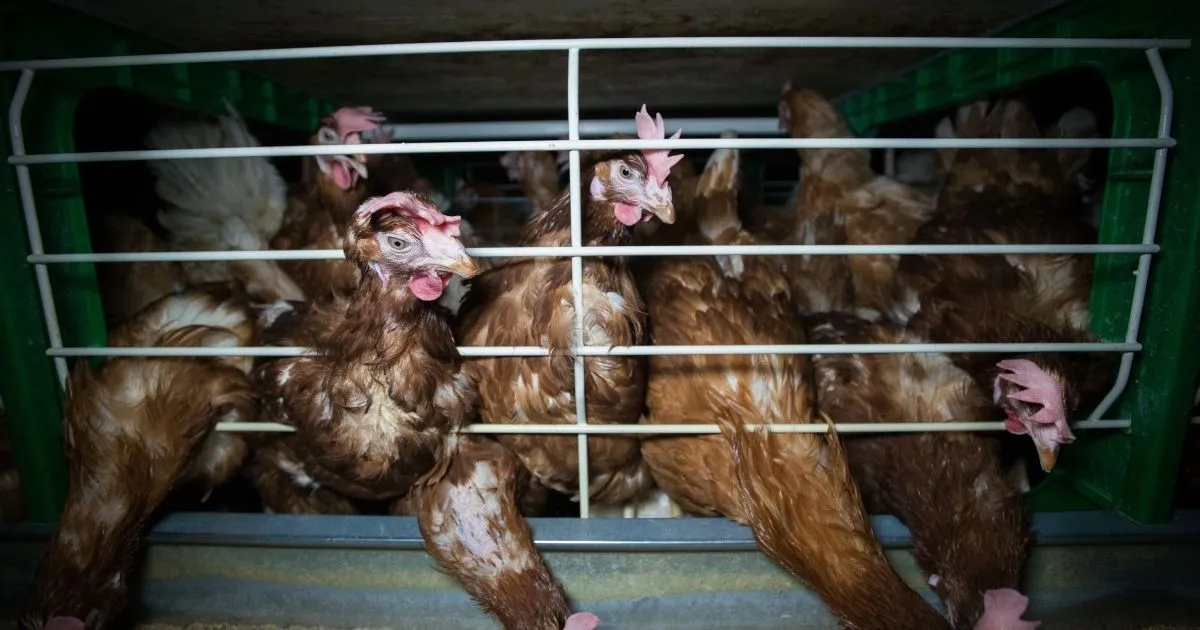
Mercadona reports that 100% of the hens in its cage-free supply are now housed in facilities that do not use cage systems, including combined systems, which use cage-like compartments and are not considered cage-free.
Animal Equality is clear: eliminating cages means eliminating all cage-like systems. The goal requires a transformation of how hens are housed, supported by transparent reporting on progress.
According to Mercadona, its suppliers have transformed 120 egg facilities and built 21 new ones. Two suppliers now exclusively supply eggs from hens not kept in cages.
The company attributes delays to growing demand, avian flu outbreaks, and administrative obstacles. Its update maintains the 100% goal but does not include a new deadline for fulfilling it.
What happened after Mercadona missed its cage-free deadline?
In 2018, Mercadona publicly committed to eliminating eggs from hens kept in cages by the end of 2025. Animal Equality worked with the company toward that goal.
After that deadline passed without the full commitment being met, Animal Equality launched a campaign calling on Mercadona to honor its commitment and act with transparency. Over the past year, the campaign sought to raise public awareness and ensure that Spain’s largest supermarket did not take a step back on animal protection.
Following Mercadona’s recent cage-free update, Animal Equality is concluding the campaign and will monitor the company’s progress annually while continuing to push for full compliance.
How Spain compares on cage-free eggs in 2026
According to Spain’s Ministry of Agriculture, Fisheries and Food, 59.81% of laying hens in Spain were still in cages in 2025, more than 28 million animals. The European Union average is 35.5%.
The transition is progressing, but slowly. The number of hens in cage-free systems grew by over 10.25% in 2025, and farms with cages now represent only 24.77% of the total. Even so, they house six out of every ten hens because they are large-scale operations.
With 65% of its eggs coming from hens not kept in cages, Mercadona sits above Spain’s national production average of around 40%. Given its sales volume, its pace of transition directly influences that of the entire sector.
Choose Love
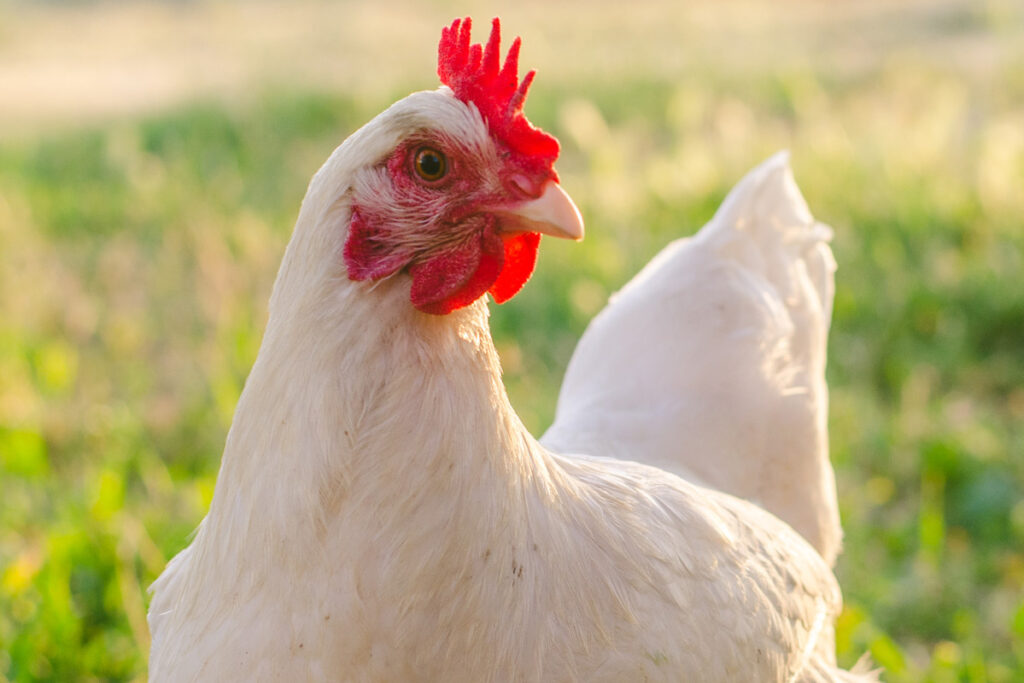
Chickens are emotionally complex animals capable of empathy and forming special bonds with fellow animals.
Protect these sensitive and social animals by choosing plant‑based alternatives.