
The United States Farm Bill could strip animal protections nationwide

Update – August 6, 2026
The U.S. Senate Ag Committee did not vote on the Farm Bill, resulting in the Save Our Bacon Act remaining excluded from the current Senate version. But this fight is not over. Senator Boozman says he plans to try again in September. So far, the SAFE Act to ban the export and slaughter of horses has not been included in either draft.
Congress has to bring both versions together into one final bill.
Call your Legislator now and tell them to leave the Save Our Bacon Act out of the final Farm Bill.
The U.S. House of Representatives passed the proposed Farm Bill on April 30, 2026, by a vote of 224-200. The bill includes provisions that would overturn critical animal protection laws and send millions of animals back to cages. The fight now moves to the U.S. Senate.
How the Farm Bill threatens animal protection laws
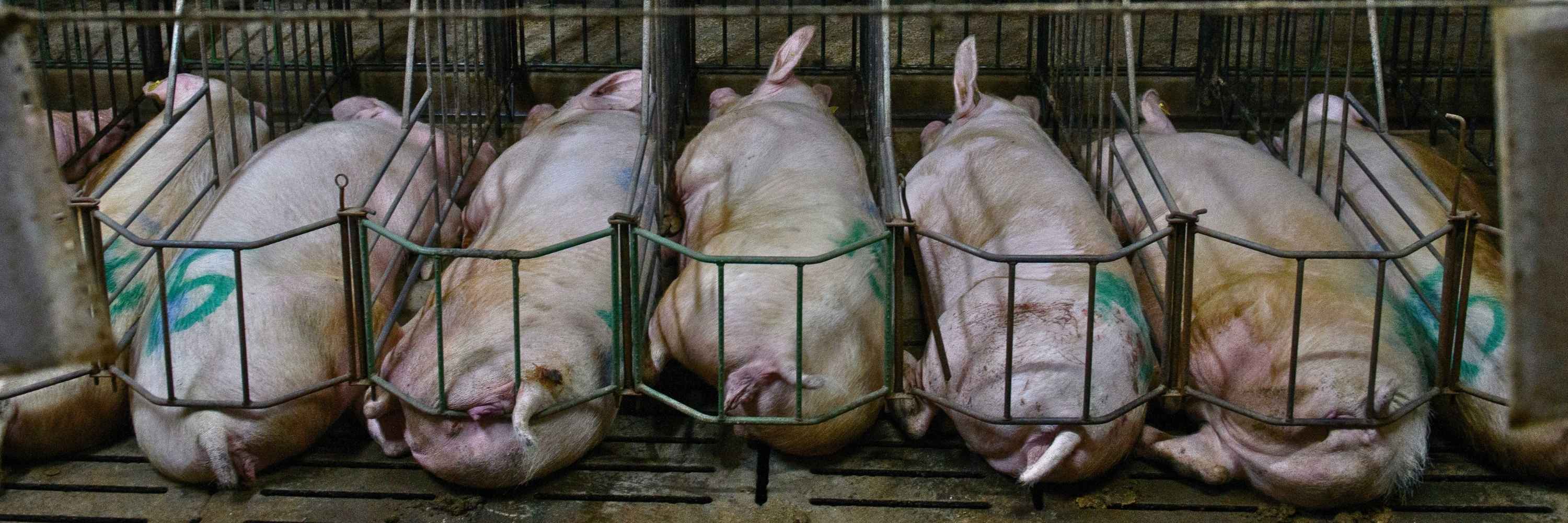
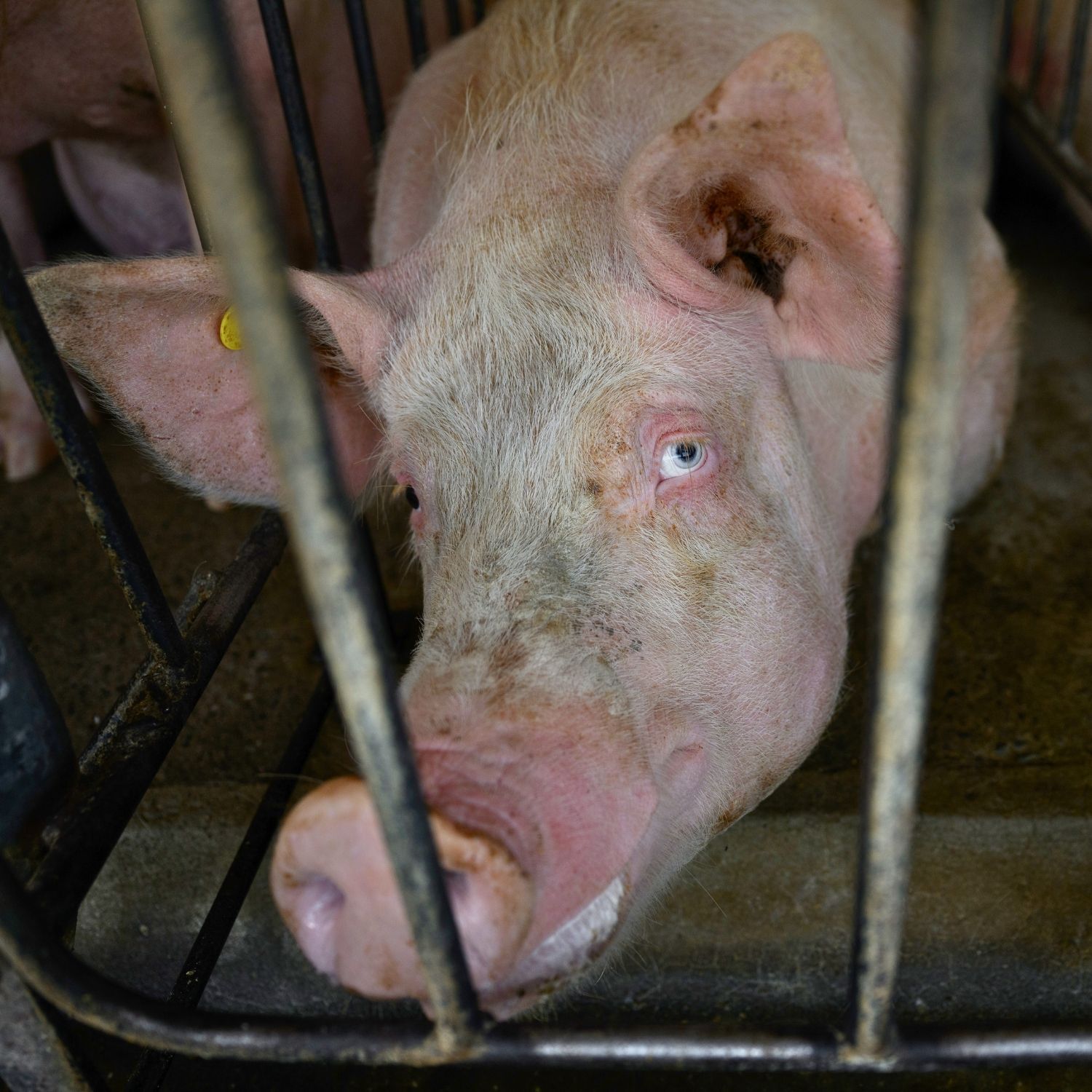
The Farm Bill contains the Save Our Bacon Act, which would nullify state laws protecting farmed animals from extreme confinement. Pregnant pigs would be forced back into cages so small they cannot turn around or take more than a step forward or backward. Newborn calves would live chained behind metal bars to prevent them from moving and keep their flesh lean for veal. The bill also fails to include the Save America’s Forgotten Equines (SAFE) Act, legislation that would permanently end the export and slaughter of American horses for human consumption.
Bipartisan amendments to protect animals were blocked
During debate, bipartisan amendments were introduced to remove the harmful provisions and add horse protections.
A bipartisan amendment led by Representatives Luna and Costa would have struck the Save Our Bacon Act language entirely. The Rules Committee blocked it from receiving a floor vote. The SAFE Act was also blocked before it could be voted on.
The Senate can still protect animals from the Farm Bill
The bill now moves to the U.S. Senate, where lawmakers have the power to remove harmful provisions and add stronger protections for animals. Early public pressure can shape what the Senate includes and what it strips out.
Awareness is just the beginning
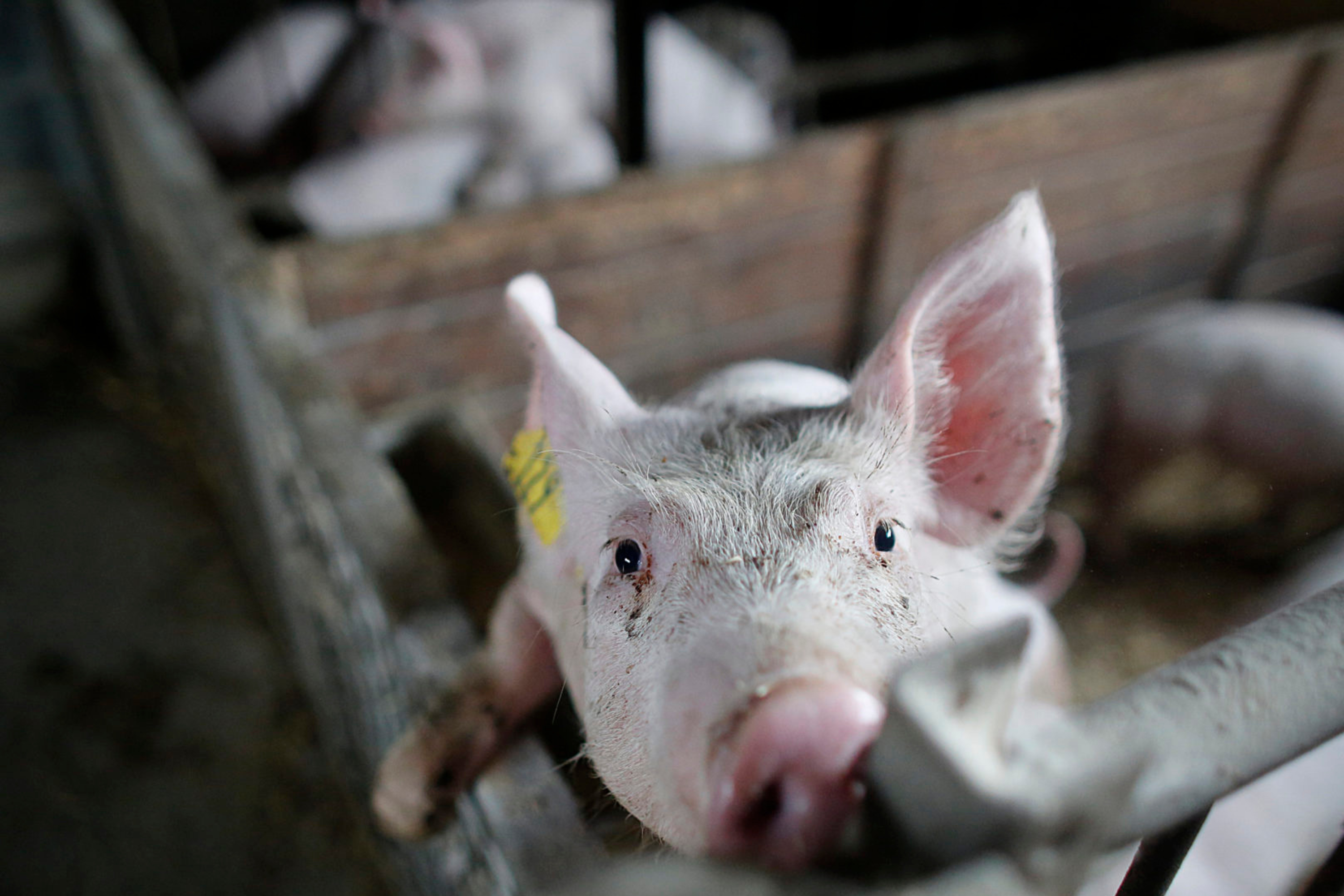
Learning about what farmed animals face can change the way we see them. But change takes more than awareness—it takes people like you willing to keep showing up.
This September, for Farmed Animal Awareness Month, become a monthly donor with Animal Equality and turn your concern for farmed animals into action all year long.
How you can help protect animals from the Farm Bill
Contact your U.S. Senators through the Capitol Switchboard at (202) 224-3121 to oppose the Farm Bill.
Calling now and sharing this widely increases pressure on the Senate at a critical moment for animals.
Save Animals from Abuse
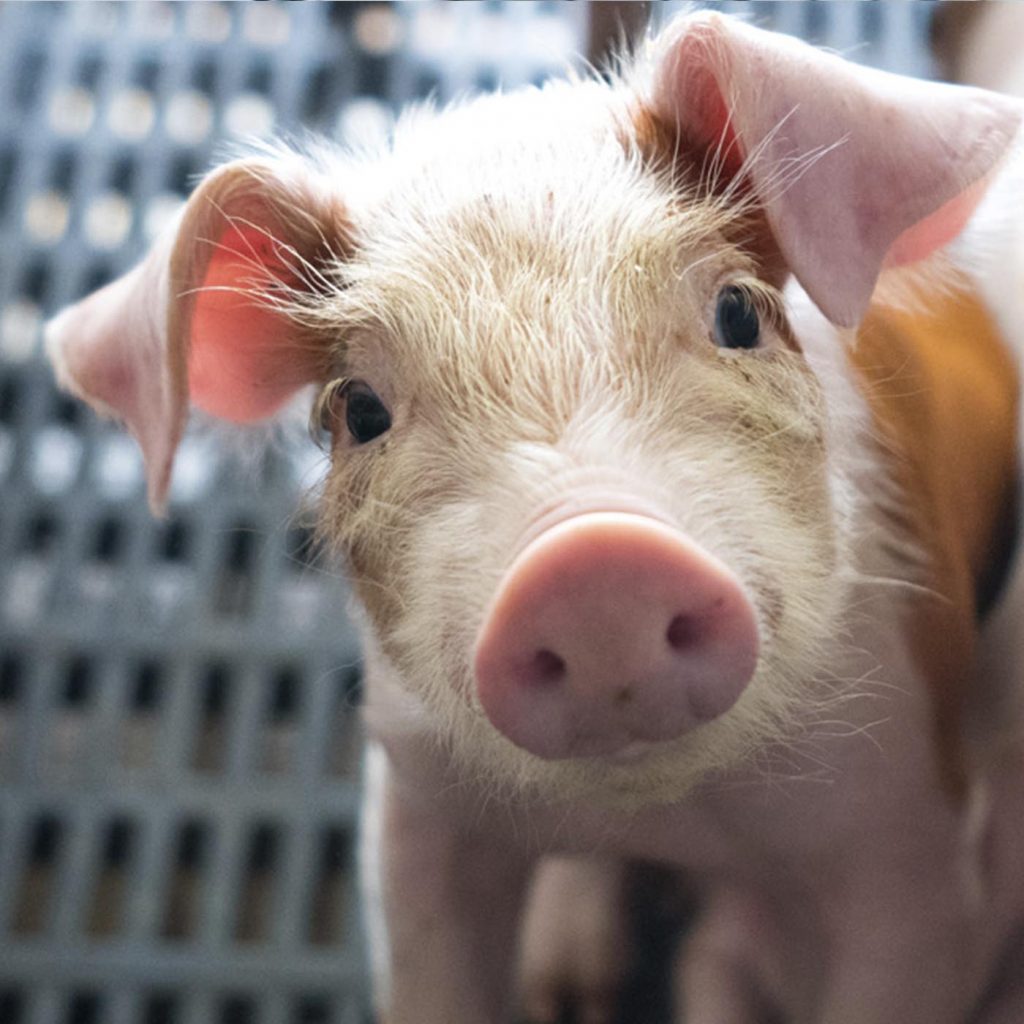
Pigs, cows, and other animals feel pain and deserve to be protected from abuse.
You can protect these intelligent animals by simply choosing plant‑based alternatives.