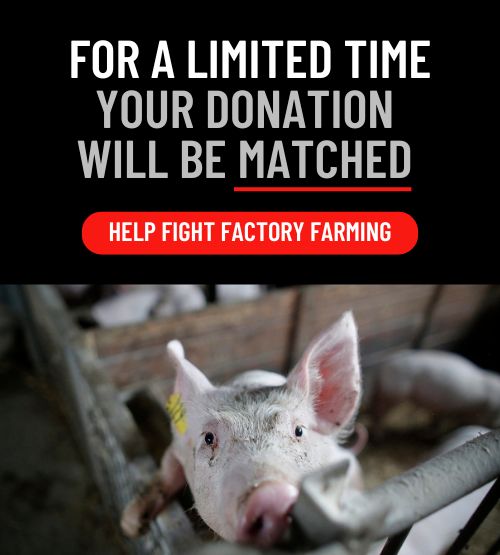
Faster Slaughterhouse Speeds Are Causing More Animal Suffering in the U.S.
Slaughterhouse line speed is how fast animals are processed and killed in factory farms.
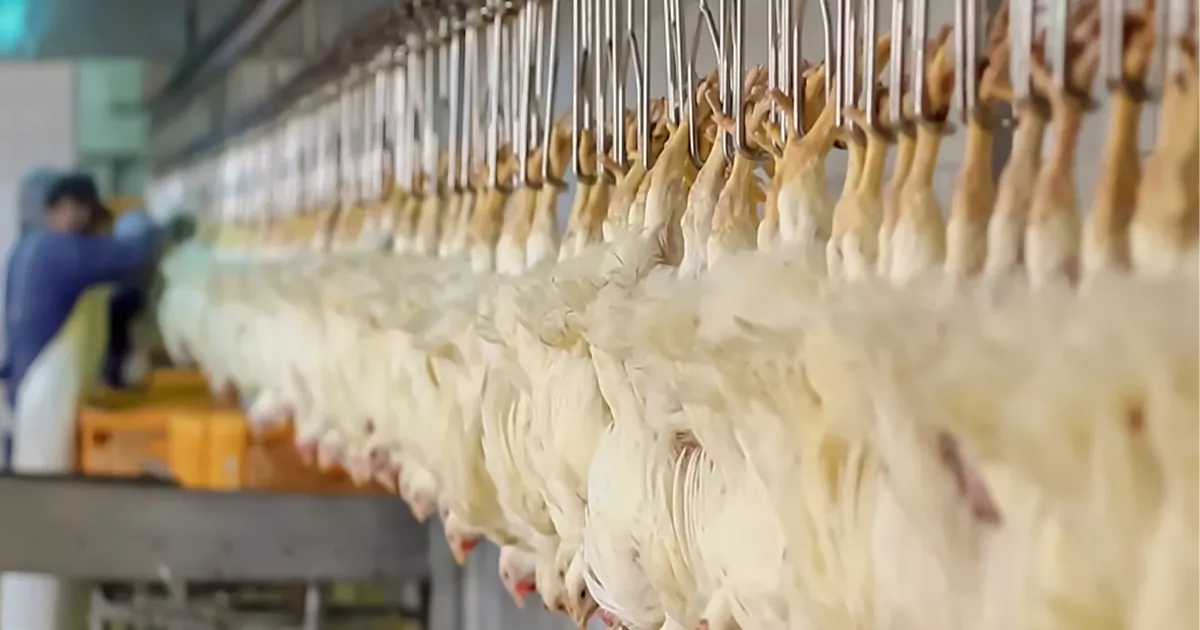
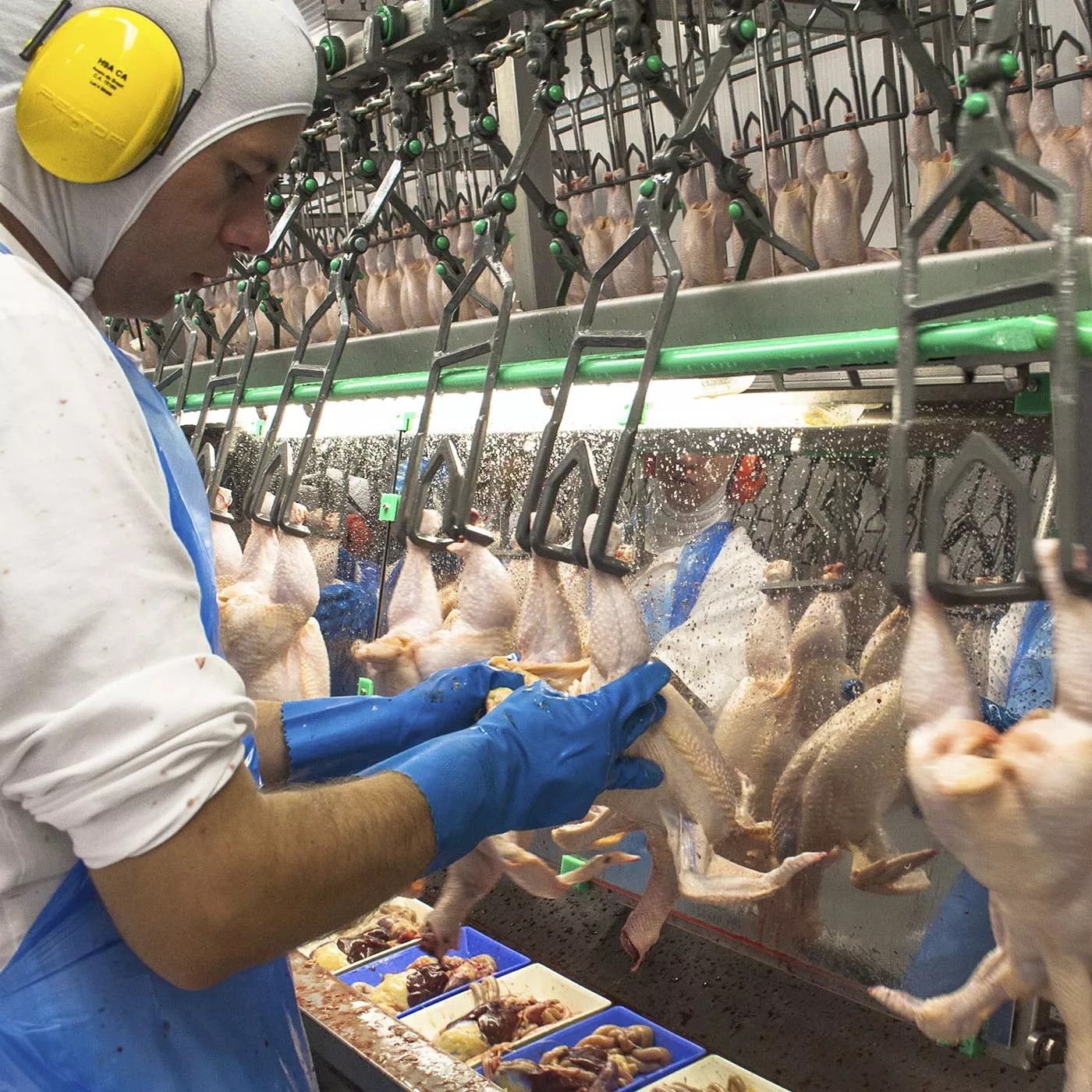
Today, animals are killed at extremely high rates. Some facilities already process up to 140 chickens per minute. New rules could increase that number to 175 chickens per minute.
Pig slaughterhouses may soon have no speed limit at all.
When speeds go up, cruelty goes up as well.
UPDATE: In 2026, the U.S. Department of Agriculture (USDA) proposed new rules that would allow slaughterhouses to kill animals even faster than before. These changes would affect most animals raised for food in the U.S.
At the same time, the USDA is planning to reduce safety checks, including removing requirements for plants to report on worker safety. This update shows a continued shift toward prioritizing industry profits over respect for animals, workers, and public health.
What Faster Speeds Mean for Animals
ANIMALS FACE MORE ABUSE
When workers are under pressure, animals are handled roughly. Chickens and turkeys may be grabbed quickly and forced into metal shackles. Their wings and legs can break during this process.
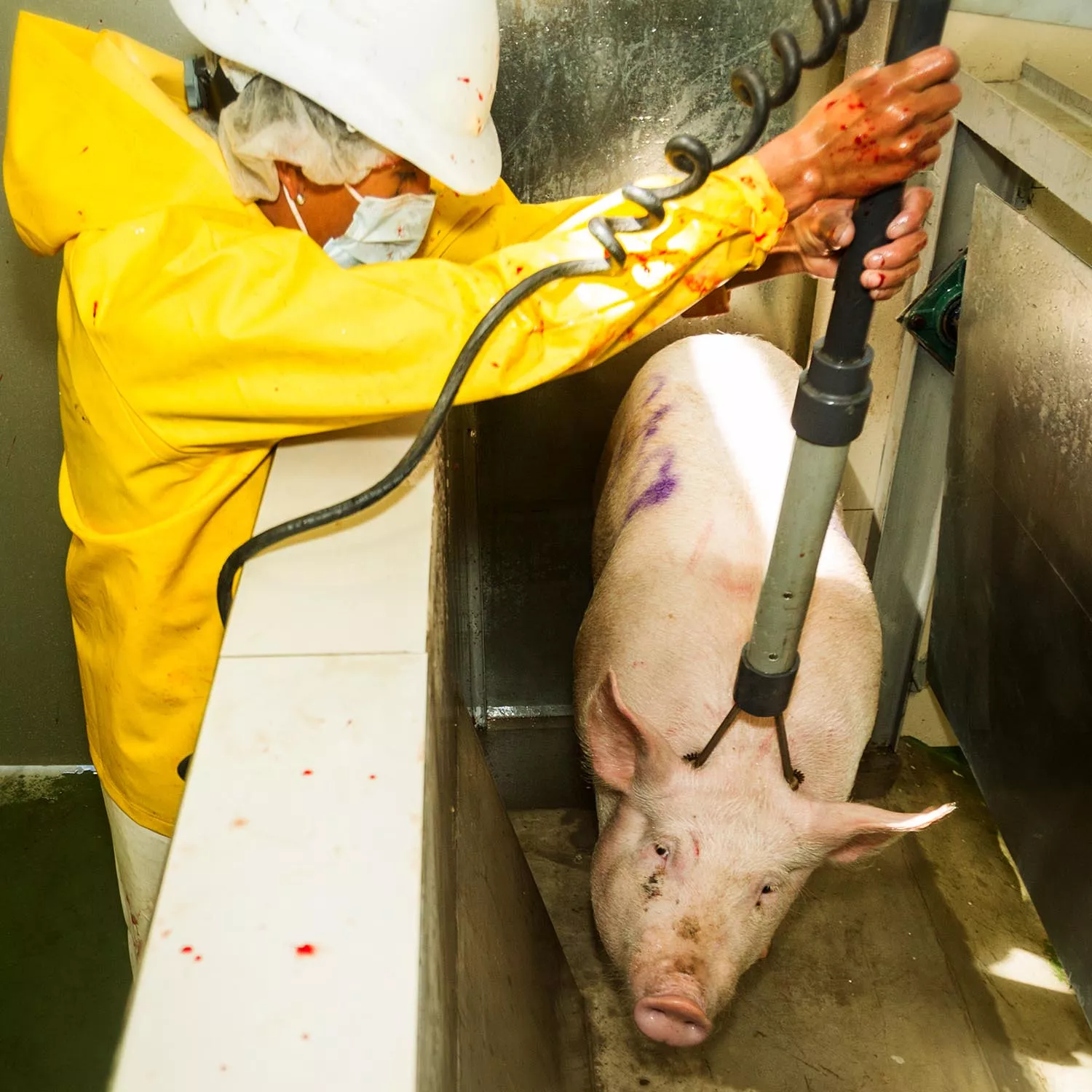
Larger animals like pigs and cows are often frightened and confused. Workers may push them forward using force. Some animals are dragged, shocked, or hit to keep the line moving.
Animals feel fear and pain. Faster speeds increase both.
Animals Are Sometimes Still Awake
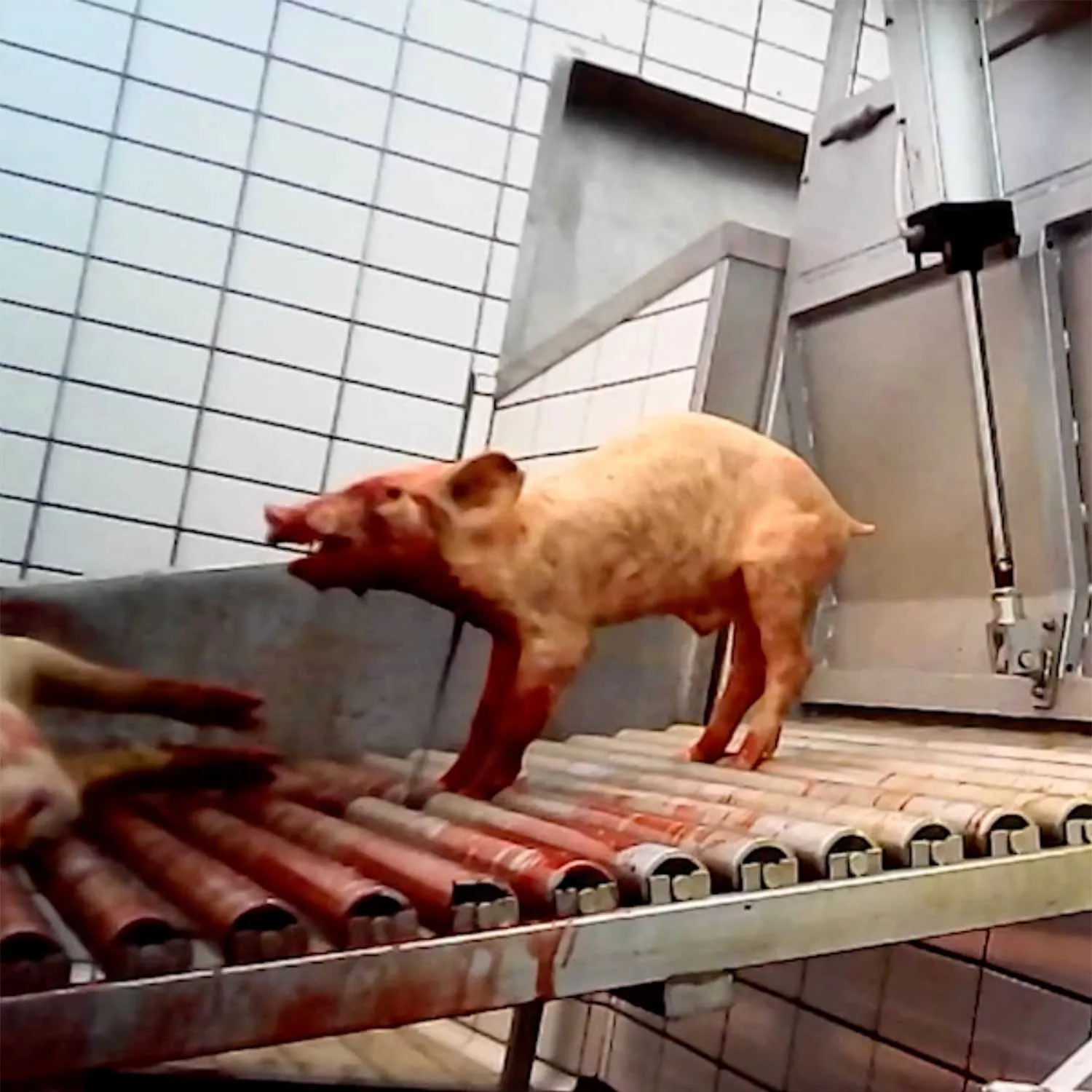
Before animals are killed, they are supposed to be stunned so they do not feel pain. But at high speeds, this step often fails.
When the line moves too fast, there is no time to check if animals are truly unconscious.
Some animals are still conscious when they are cut or placed into boiling water. This causes extreme suffering.
This Problem Affects More Than AnimalS
Faster slaughterhouse speeds also harm people and the environment.
Workers face more injuries and have less time to stay safe
Disease can spread more easily in crowded conditions
Waste from slaughterhouses can pollute water with harmful bacteria
Around 60 million people live near waterways affected by this pollution
When more animals are processed, more waste is created, and the risks grow.
LIVE KINDLY
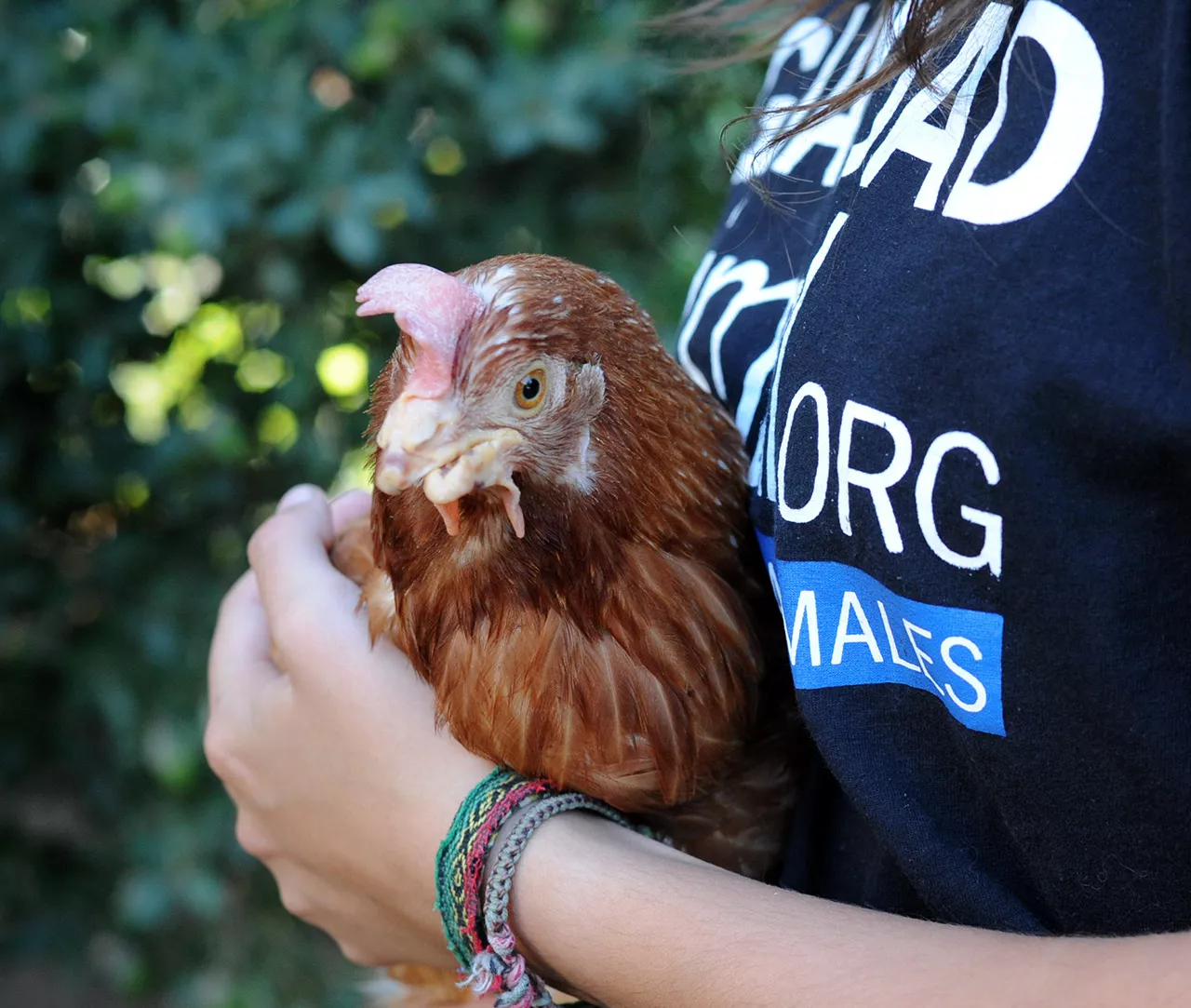
With rich emotional lives and unbreakable family bonds, farmed animals deserve to be protected.
You can build a kinder world by replacing animal food products with plant‑based ones.