
Brazil bans foie gras in historic first for Latin America

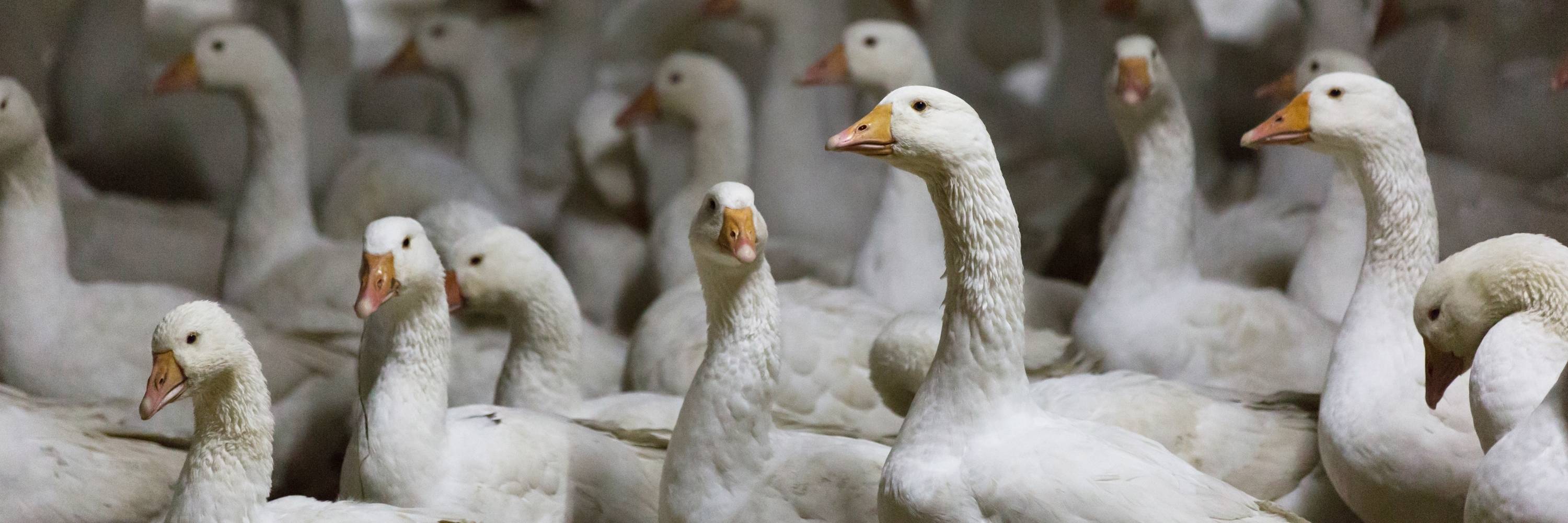
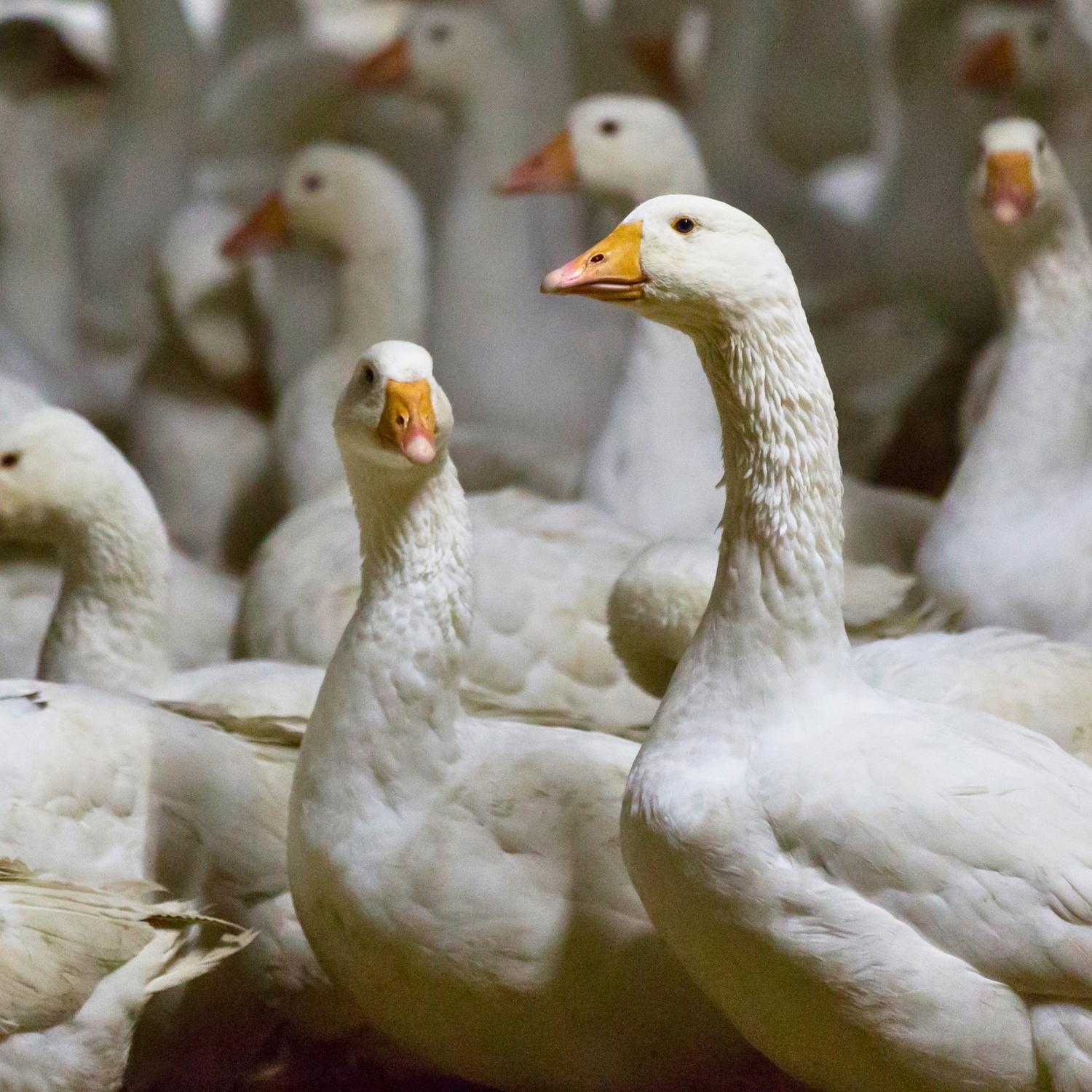
Brazil has made history as the first country in Latin America to ban foie gras, following the signing of a landmark bill by President Luiz Inácio Lula da Silva.
The achievement is the result of a six-year campaign led by Animal Equality, with the support of dozens of other organizations. Over 310,000 petition signatures calling for a ban on foie gras, farm and slaughterhouse investigations, political advocacy, protests, and public mobilization made this progress for animals possible.
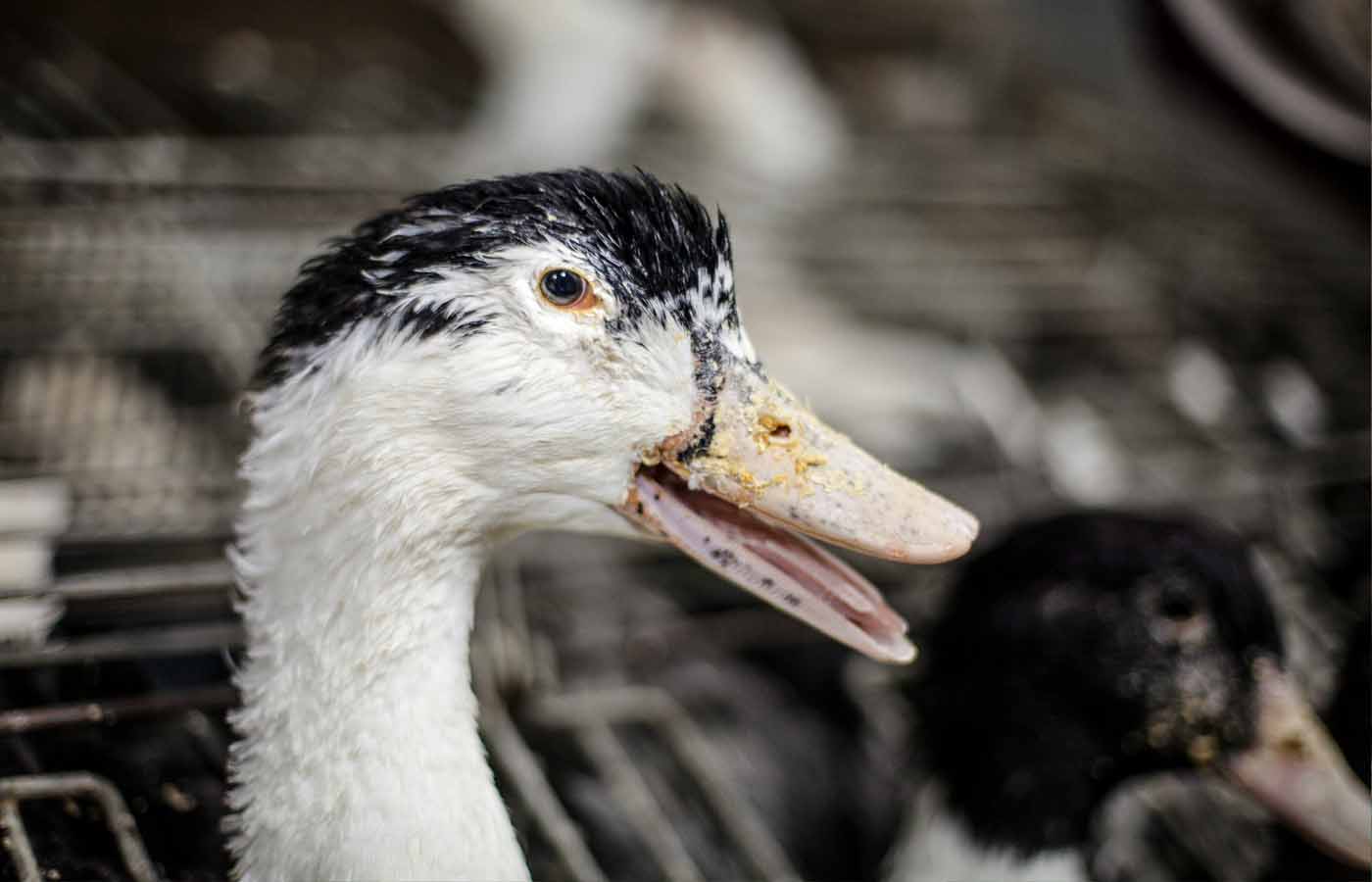
This is a historic moment. Foie gras represents one of the cruelest practices inflicted on animals exploited for human consumption. Brazil has shown that ethical standards are not negotiable. We are confident that this progress will inspire and drive change in other parts of the world,” says Sharon Núñez, President of Animal Equality.
Be part of the next milestone for animals.
{firstname}, thank you for joining the Animal Protectors!
We will be in touch with actions you can take to help farmed animals.
Invite your loved ones to become Animals Protectors:
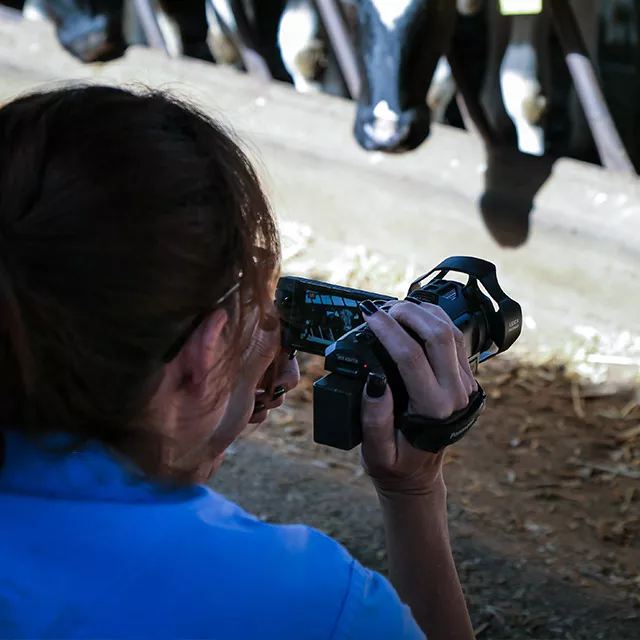
Your support allows us to investigate, expose, and work to end the cruelty farmed animals face.

Animals need you NOW
Start taking action! Join other Animal Protectors and get active in our Action Center.
Ready to change the world for animals? Join a community of thousands coming together for one goal: ending animal abuse.
Foie gras production is already banned in several countries, including the United Kingdom, Germany, Italy, Poland, Argentina, and Australia, as well as cities across the U.S., including New York and most recently Portland, Oregon. Until now, India was the only country in the world to have achieved a full nationwide ban on both the production and sale of foie gras, following a campaign led by Animal Equality.
This victory belongs to each of the more than 300,000 people who signed our petition and never let this issue fade from public attention. Brazil is becoming a reference for animal protection in Latin America. We hope this achievement opens the path for similar progress in other countries in the region,” says Dulce Ramírez, Vice President for Latin America at Animal Equality.
The ban takes effect 180 days after the law is published. Animal Equality will continue to monitor its progress and push for similar bans around the world.
PROTECT DUCKS
Even before hatching from their eggs, ducklings communicate with their close‑knit families.
Protect these families by eating plant‑based and ditching animal products.