
Marriott faces consumer backlash over broken cage-free commitment

Latest update
6/14/26 – Four activists were arrested while peacefully protesting outside of a Marriott hotel in Dallas, Texas. Officers detained the protestors without clear warning. Meanwhile, in Guadalajara, Mexico, an activist was assaulted by a Marriott guest. Police, hotel security and even military officials were present but did not intervene.

What you need to know
- Marriott pledged to stop sourcing eggs from caged hens by the end of 2025, but the company failed to meet its own deadline.
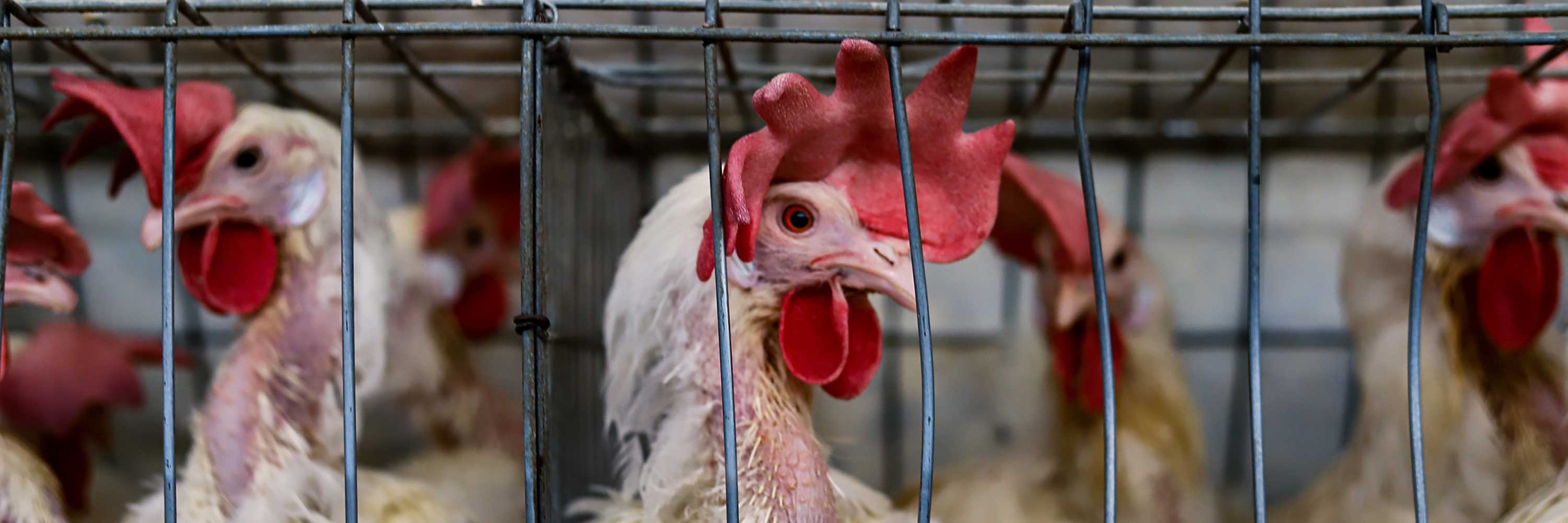
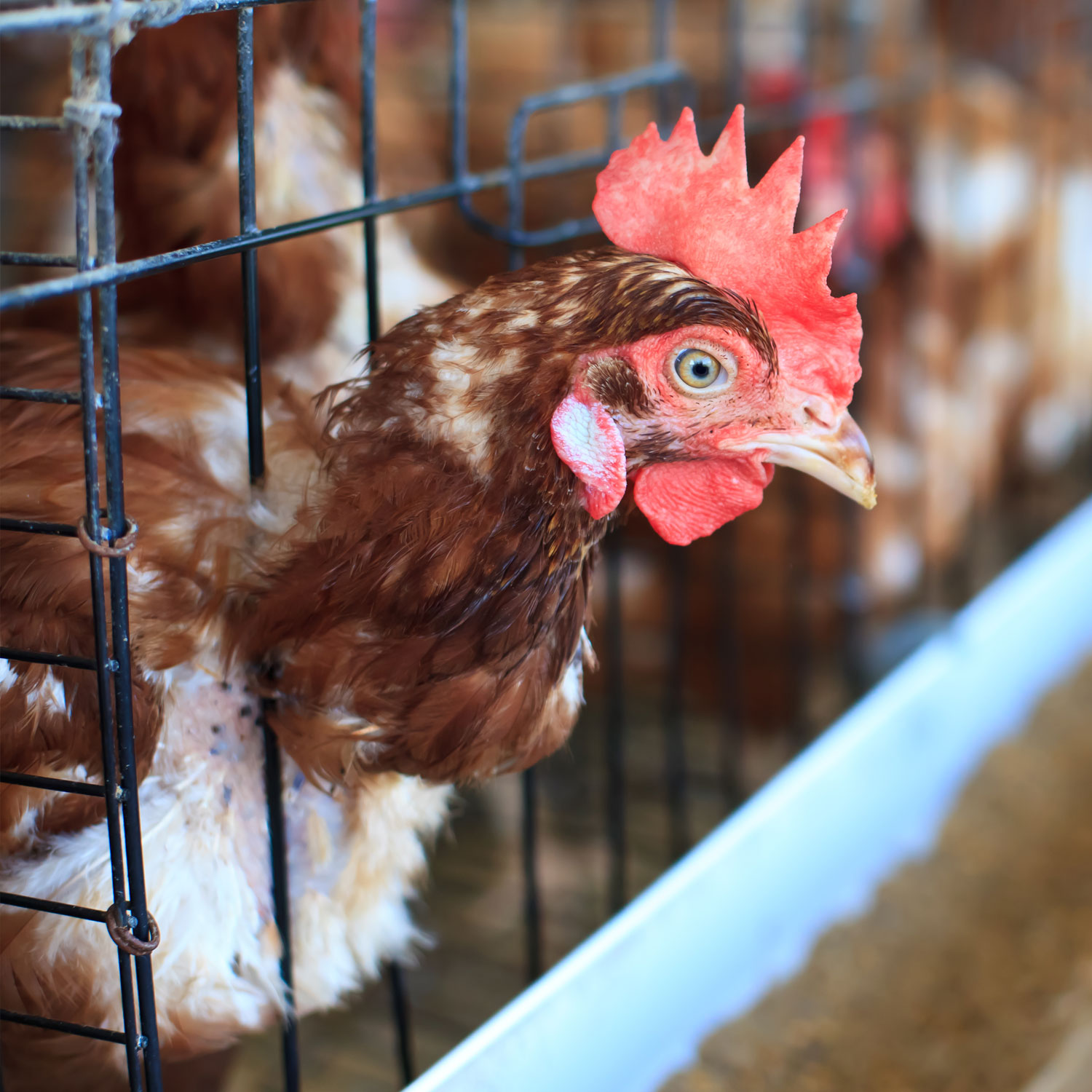
- In the egg industry, hens are often confined in tiny cages with other birds, restricting them from basic movements, such as stretching their wings.
- Animal Equality and other advocacy organizations are calling on Marriott to release a new 100% cage-free policy and a roadmap to fulfill this commitment.
Marriott cage-free egg failure
In 2018, Marriott pledged to remove cages for hens in its global egg supply by the end of 2025.
But with the deadline fast approaching, Marriott is less than 50% cage-free. Advocates now question whether it’s on track to meet the goal.
In response, consumers and animal protection groups are calling on Marriott to move away from cages. Doing so would reduce suffering for hens now and help advance a future free from animal exploitation.
Animal Equality is rallying support by recruiting Animal Protectors, a growing network of advocates who take action against cruelty–both online and in person.
A multi-billion-dollar company like Marriott has no excuse for missing a self-imposed deadline. Marriott has power over its supply, but has chosen to back down from doing so as a way to continue profitting from one of the cruelest farming practices. Animals and consumers deserve better.
-Sharon Núñez for Animal Equality
The issue with cages for hens
Hens used for egg production often live in painful, crowded conditions. Across several countries, Animal Equality’s investigators have documented:
- Extreme confinement: Hens are kept in wire cages the size of a sheet of paper. They cannot spread their wings or move freely.
- Injury and illness: Stress and overcrowding contribute to feather loss, cannibalism, and parasite infestations. Many hens die in their cages, where they are trampled by their cage mates.
- Toxic buildup: Cages are stacked in sheds with little ventilation. Ammonia from waste builds up, harming the hens’ skin and lungs.
- Intensive production: Through genetic selection and constant lighting, hens are forced to lay around 280 eggs per year. This is far more than the 10 to 15 they would produce naturally.
- Short lives: Once their productivity declines, hens are slaughtered for meat.
The hens have it much worse…
-First words of an activist after being released from jail for protesting Marriott
A shift toward egg-free options
While removing cages is a critical step for hens, advocates warn that suffering is still widespread in the egg industry.
That’s why more people are choosing plant-based foods to protect animals. Love Veg is here to help with a global cookbook featuring delicious, egg-free recipes from eight countries.
Download the cookbook today. Enjoy your next meal with a side of compassion.
Foster Compassion
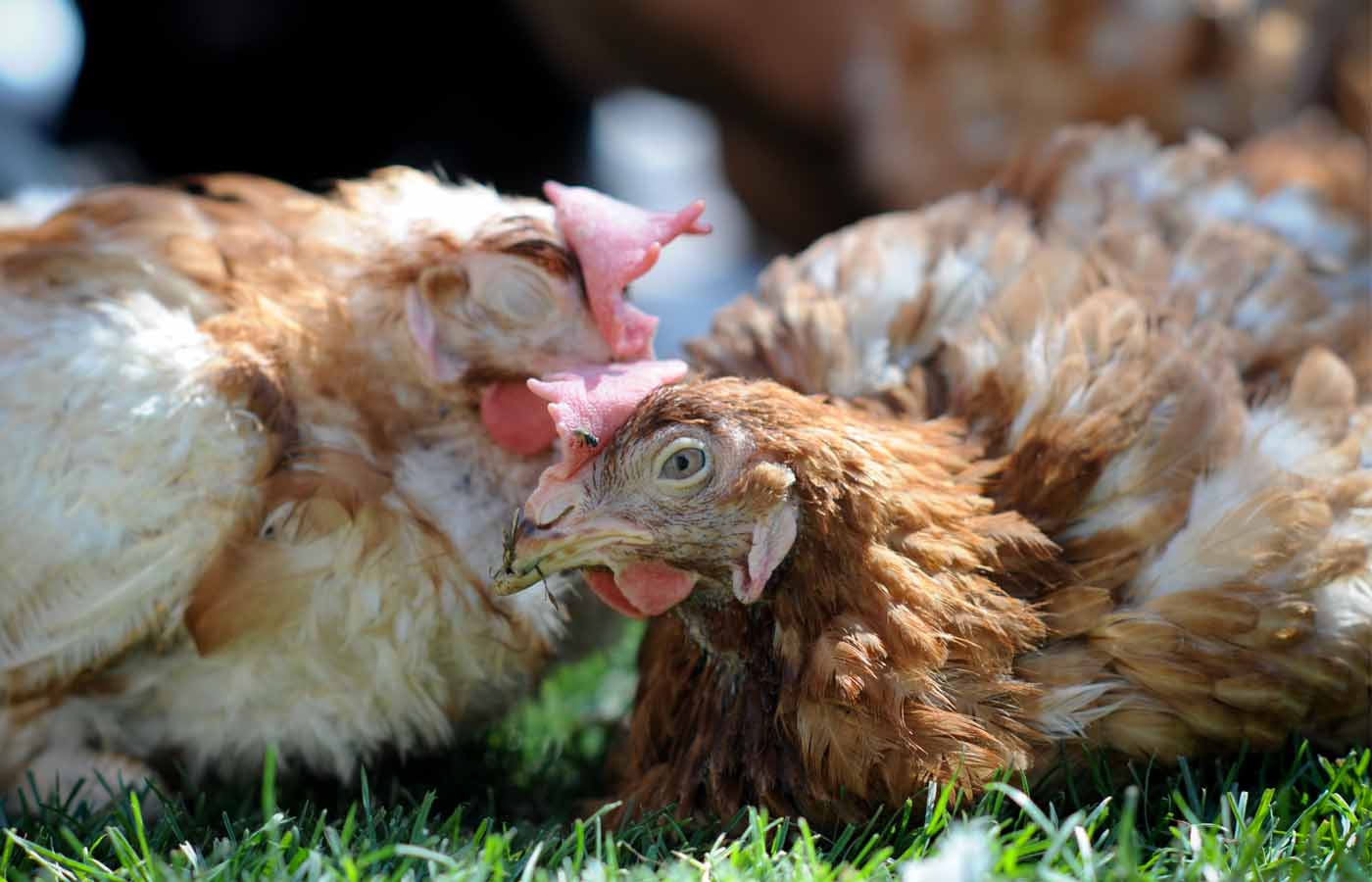
As a mother capable of empathy, a hen will defend her chicks at all costs.
Support a mother’s love by replacing eggs in your meals with plant‑based alternatives.