Pregnant pigs locked in cages inside U.S. pig farm, investigation finds
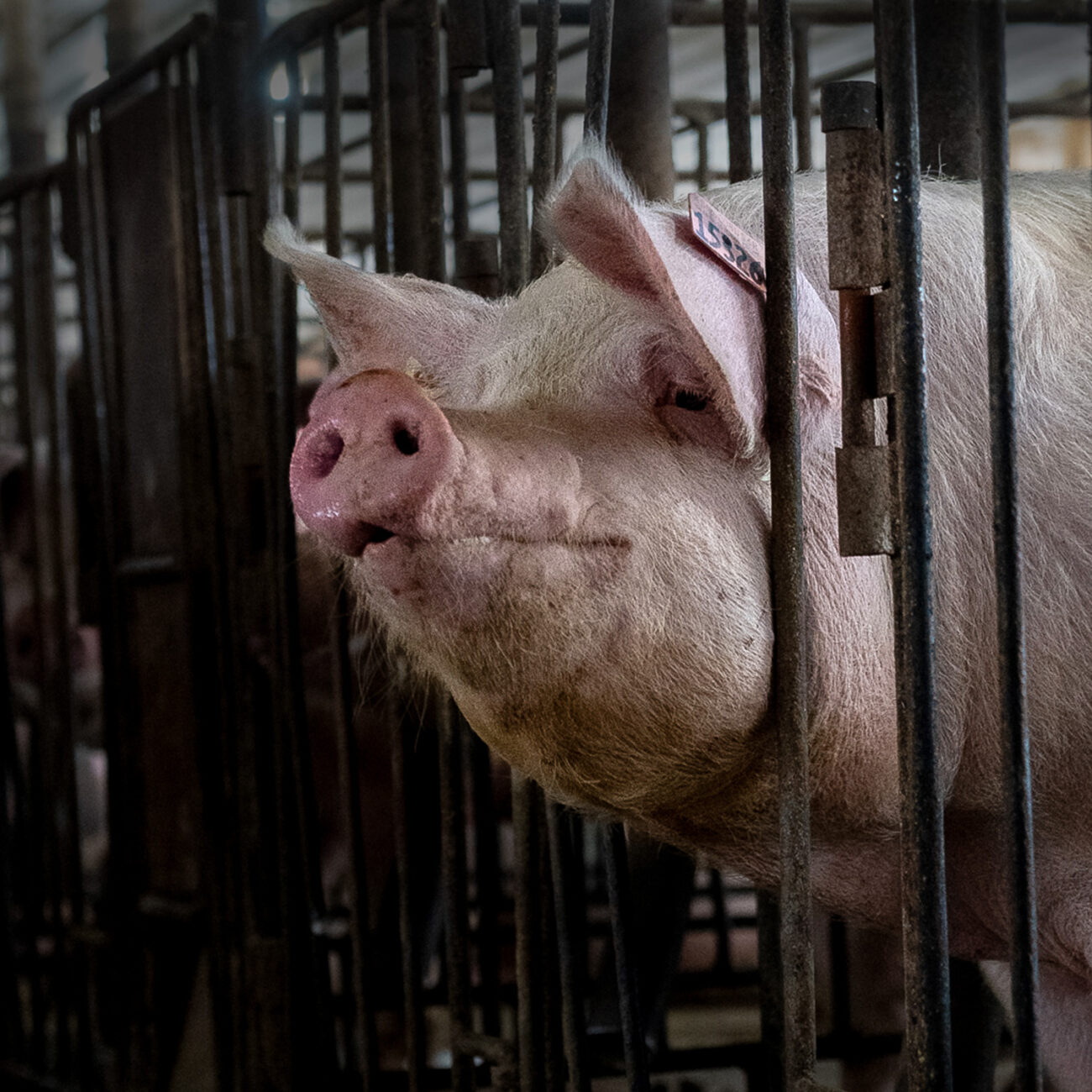
- Animal Equality investigated a U.S. pig farm located in Kansas.
- Pregnant pigs were locked in crates so small they couldn’t turn around for nearly four months at a time.
- Footage showed dead piglets, pigs with wounds, and stress behaviors like chewing the air. Some pigs were too big for the crates and got stuck under the doors.
- One pig nudged her dead companion; another was shot in full view of other pigs.
- In the U.S., about 3.5 million pigs are kept in gestation crates condemned by experts as extremely cruel.
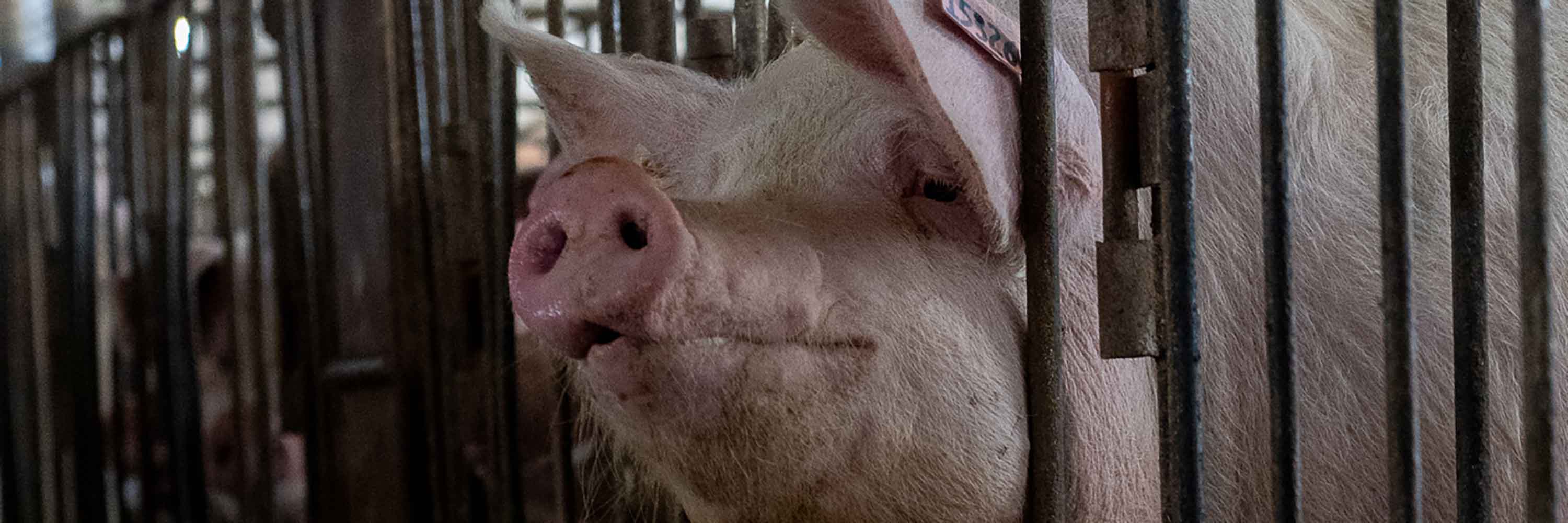
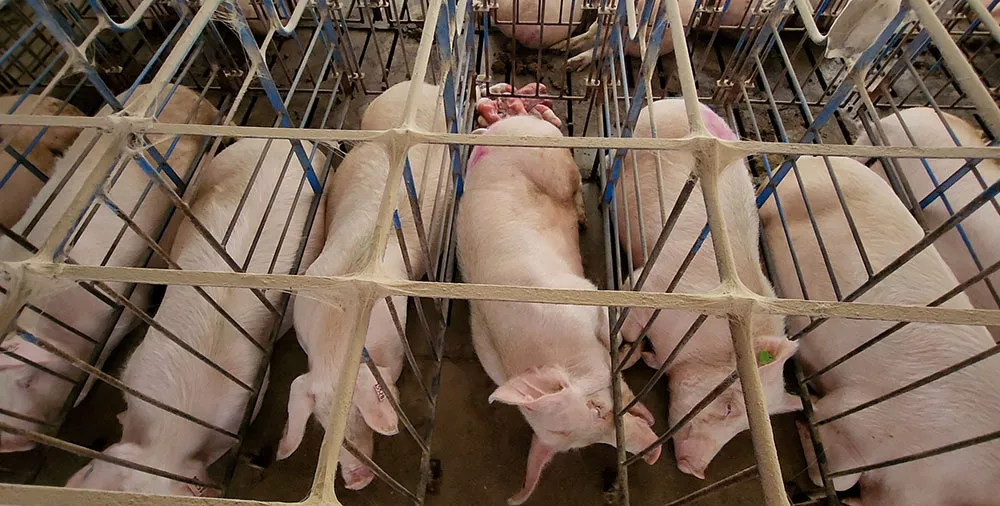
An undercover investigation by Animal Equality has exposed a Kansas pig breeding facility. The 2024-2025 footage shows pregnant pigs locked inside gestation crates—metal cages so small they couldn’t turn around or take more than a single step. For nearly four months at a time, the animals were forced to struggle against the bars, desperate for even a hint of movement.
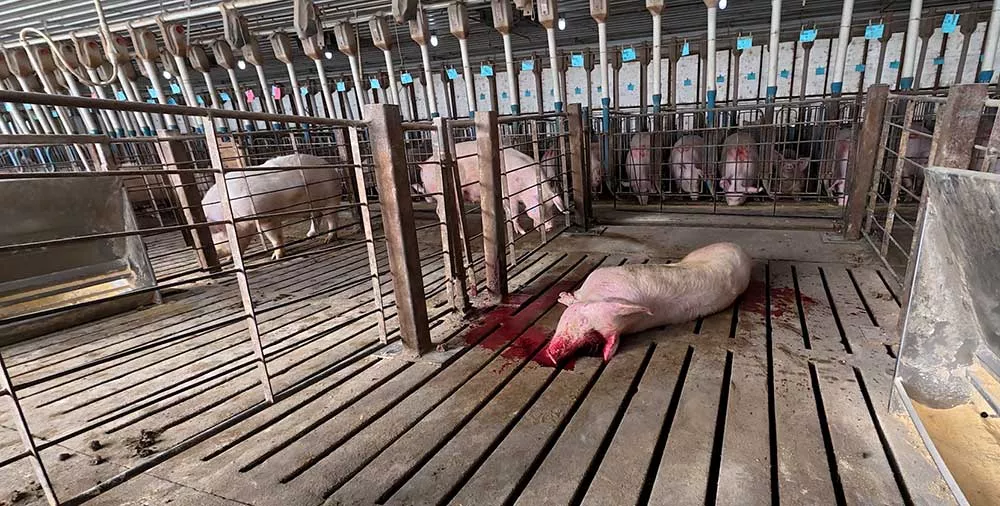
The video reveals a pattern of suffering: piglets dead on the floors, mothers with open wounds, and signs of severe psychological stress. Pigs were seen chewing the air, trying to escape, or lying still and unresponsive.
Confinement triggers abnormal behavior in pigs
Many pigs were covered in bloody sores where the metal bars dug into their skin, left vulnerable to infection on feces-covered floors. Some showed signs of prolapsed organs after repeated pregnancies.
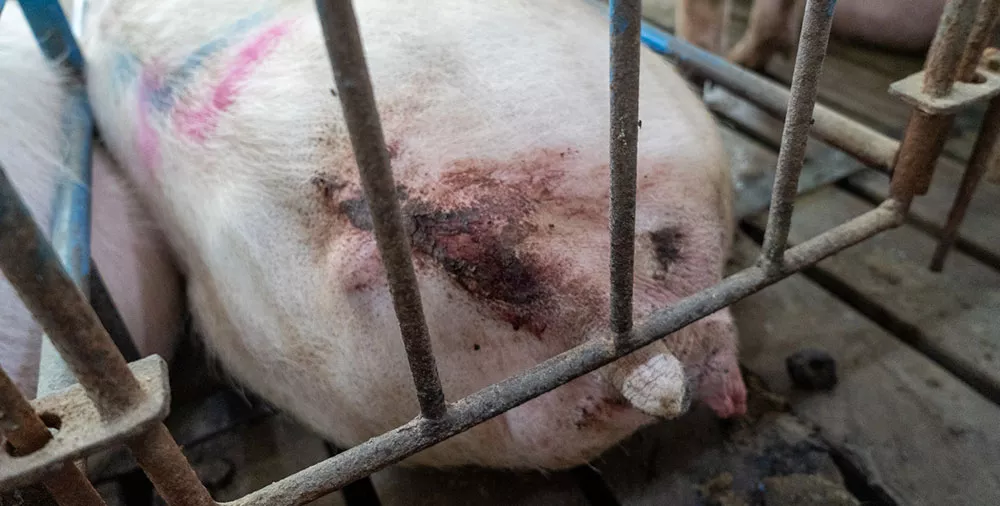
Several pigs were too large for the crates and struggled to move. Some wedged their faces beneath the cage doors in search of space. One pig became stuck and screamed until a worker intervened.
Our investigator also observed repetitive behaviors, many of which are stress-induced. Some pigs bit the bars or chewed the air. Others pushed their bodies into the backs of their crates repeatedly.
Some screamed. Others lay still, pressed against the metal—silent and unresponsive. A few tried to climb the bars, pawing at the air.
Piglets and mothers die behind bars
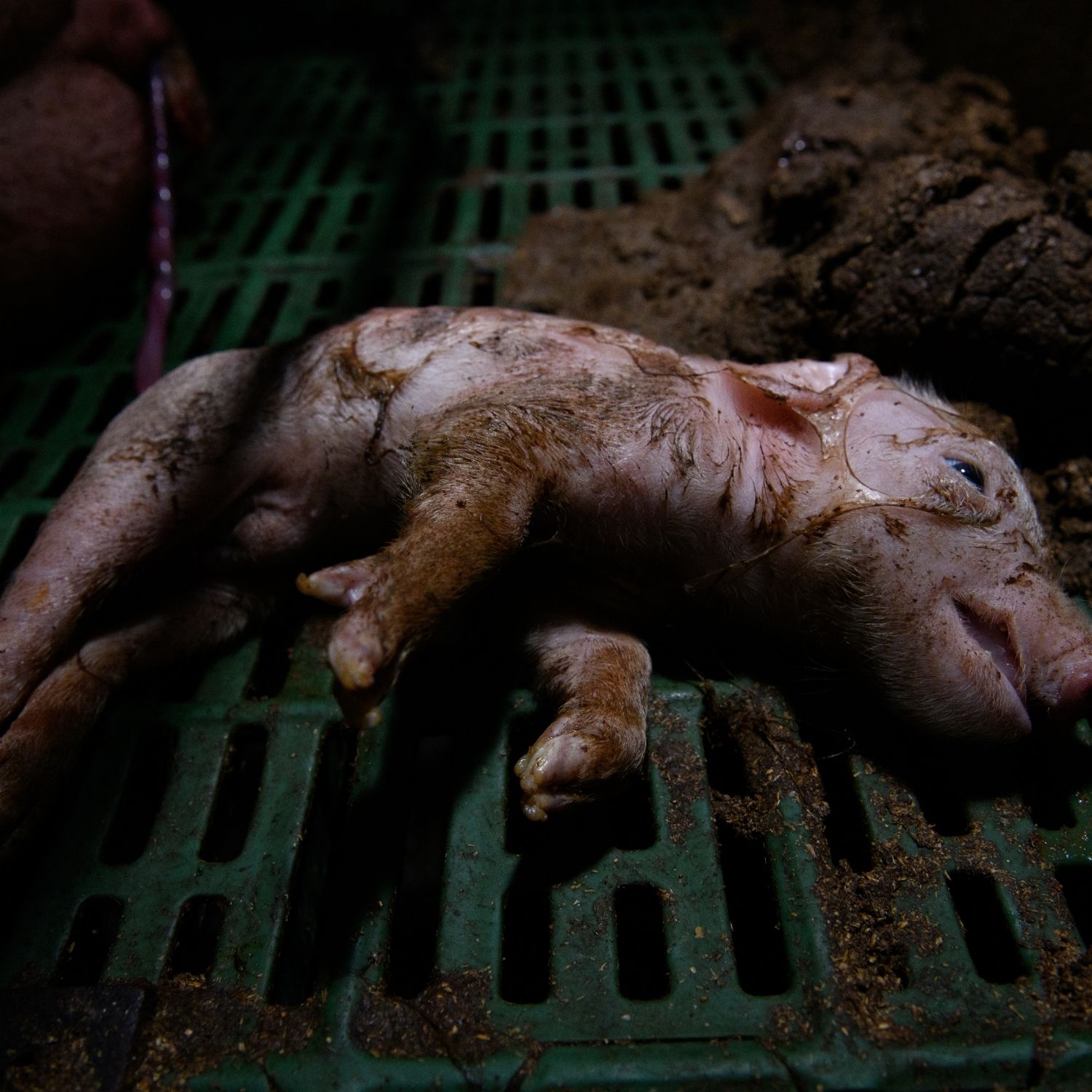
Investigators documented premature piglets born inside gestation crates, many of whom died within an hour. Their mothers, trapped in cages too small to turn around, could not see or reach their dead piglets.
Outside the facility, the decaying bodies of discarded piglets were filmed on the ground and in wheelbarrows. These piglets had been removed from the farm floors as part of the workers’ regular duties.
Adult pigs also died prematurely on this farm. In one scene, a pig nudged the body of her dead companion, appearing to search for a response.
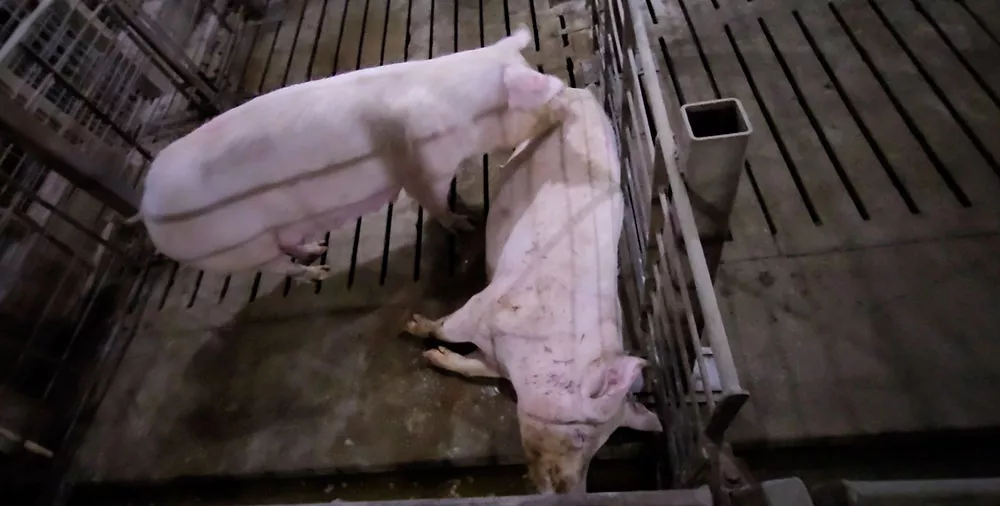
In another, a wounded pig was shot with a captive bolt gun and left to die in a holding pen while others looked on, unable to turn away.
Gestation crates face global controversy
Across the United States, an estimated 3.5 million mother pigs are confined in gestation crates.
Experts have condemned them as “one of the cruelest forms of confinement devised by humankind.” Some have compared this extreme confinement to spending months in an airplane seat.
When it’s time to give birth, pigs are moved to slightly different enclosures known as farrowing crates. After nursing their piglets, they’re returned to gestation crates to start the cycle again.
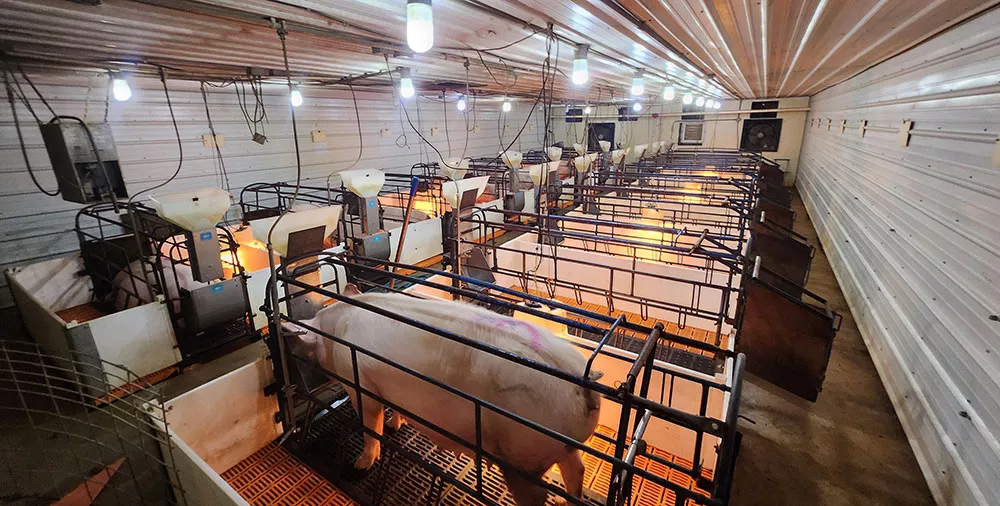
The only time these animals walk is between cages—and eventually, to slaughter.
Pigs are bred repeatedly until their bodies can no longer meet industry demands. Then they’re killed and replaced with younger animals.
Despite growing public criticism and bans in several U.S. states and countries, gestation crates remain common across the pig farming industry. In some barns, more than a thousand pigs are lined up in crates just slightly wider than their bodies.
Shifting demand away from cages
This system exists to meet demand for meat from pigs—but that demand is shifting.
Across the U.S., plant-based options like bacon, sausage, and whole-food protein alternatives are becoming easier to find and prepare. Many fit seamlessly into everyday meals.
For those concerned about animal suffering, choosing plant-based foods is the most effective way to end this abuse.
SAVE ANIMALS FROM ABUSE
Pigs, cows, and other animals feel pain and deserve to be protected from abuse.
You can protect these intelligent animals by simply choosing plant‑based alternatives.