WHAT’S WRONG WITH EGGS?
Neatly packed cartons of eggs are a routine sight on grocery store shelves, but most shoppers don’t know how hens live and die for a morning omelet.
Millions of eggs are consumed every year, but how are they produced?
BY THE NUMBERS
THE MANY PROBLEMS WITH EGG PRODUCTION
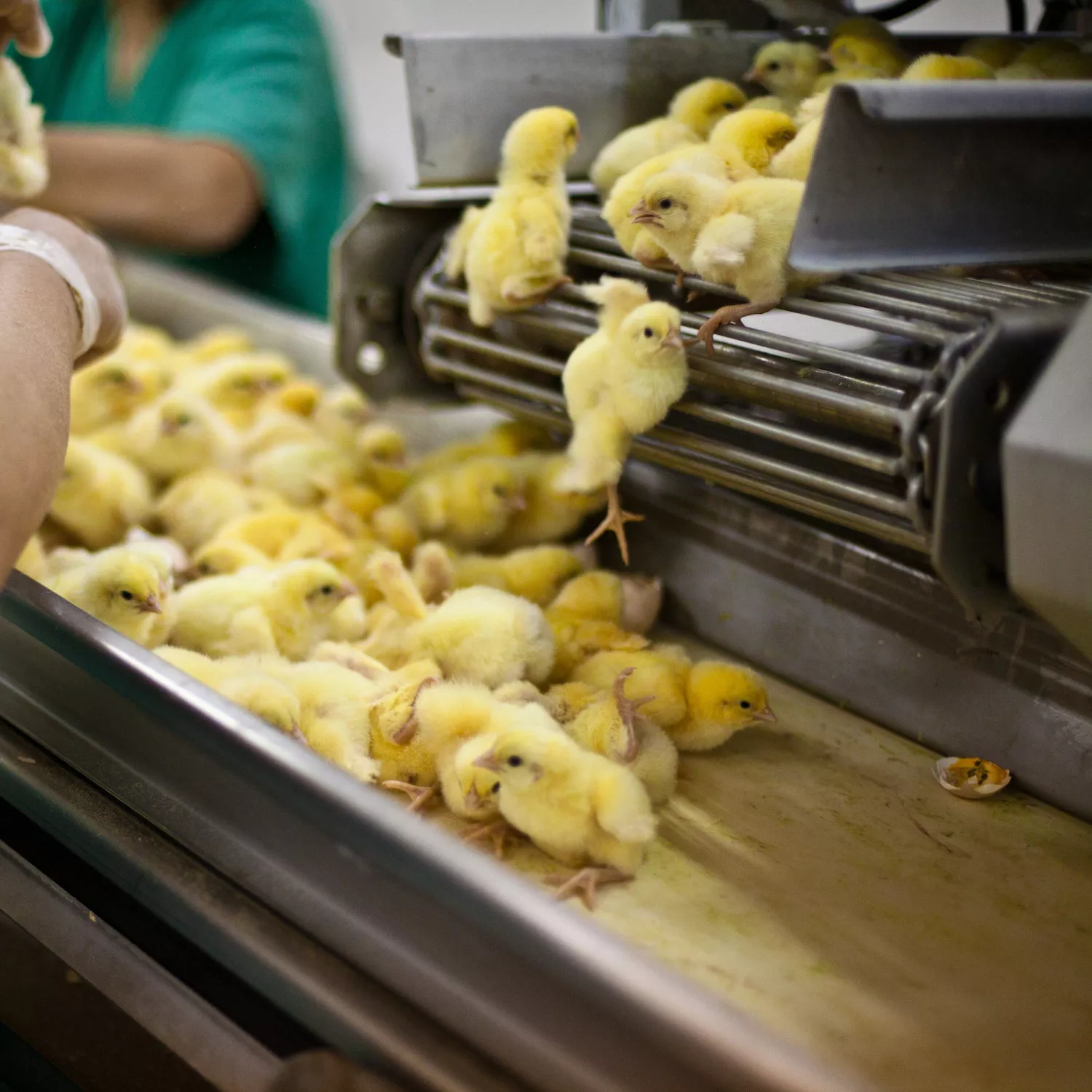
Male chicks cannot lay eggs and are not the chicken breed used for meat. Deemed worthless by the egg industry, after being separated from the females, they are disposed of like trash, either suffocated to death or ground up alive in large industrial macerators.
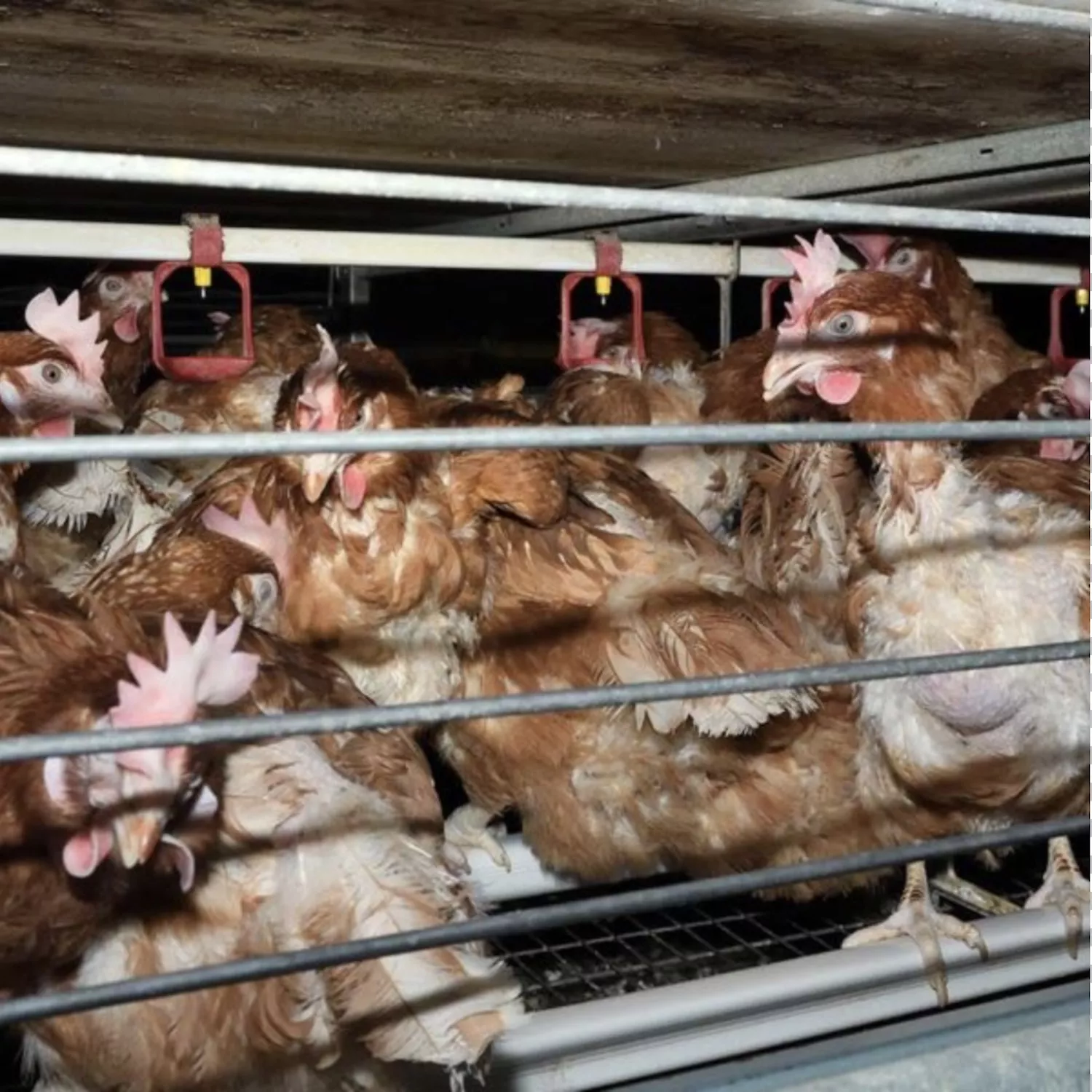
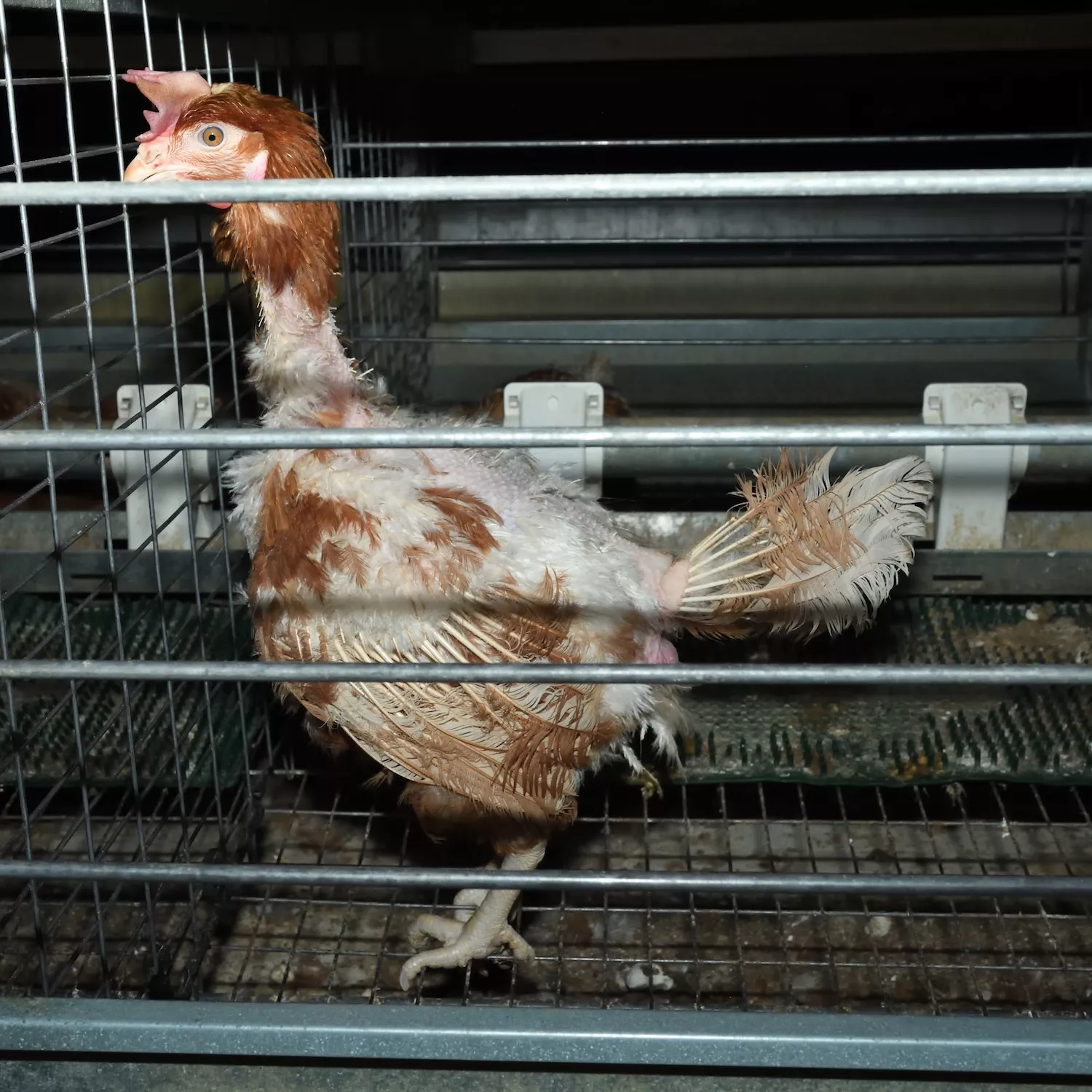
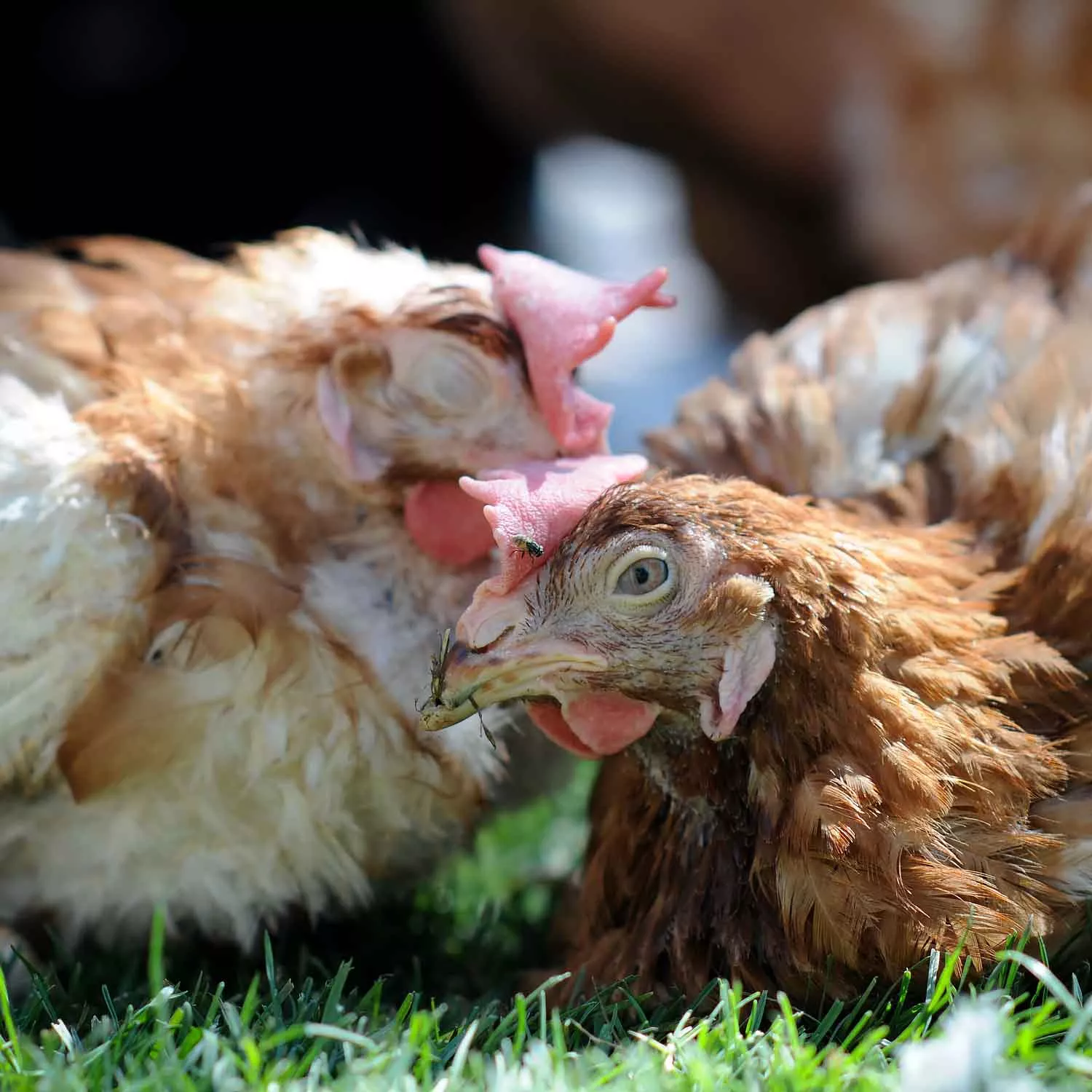
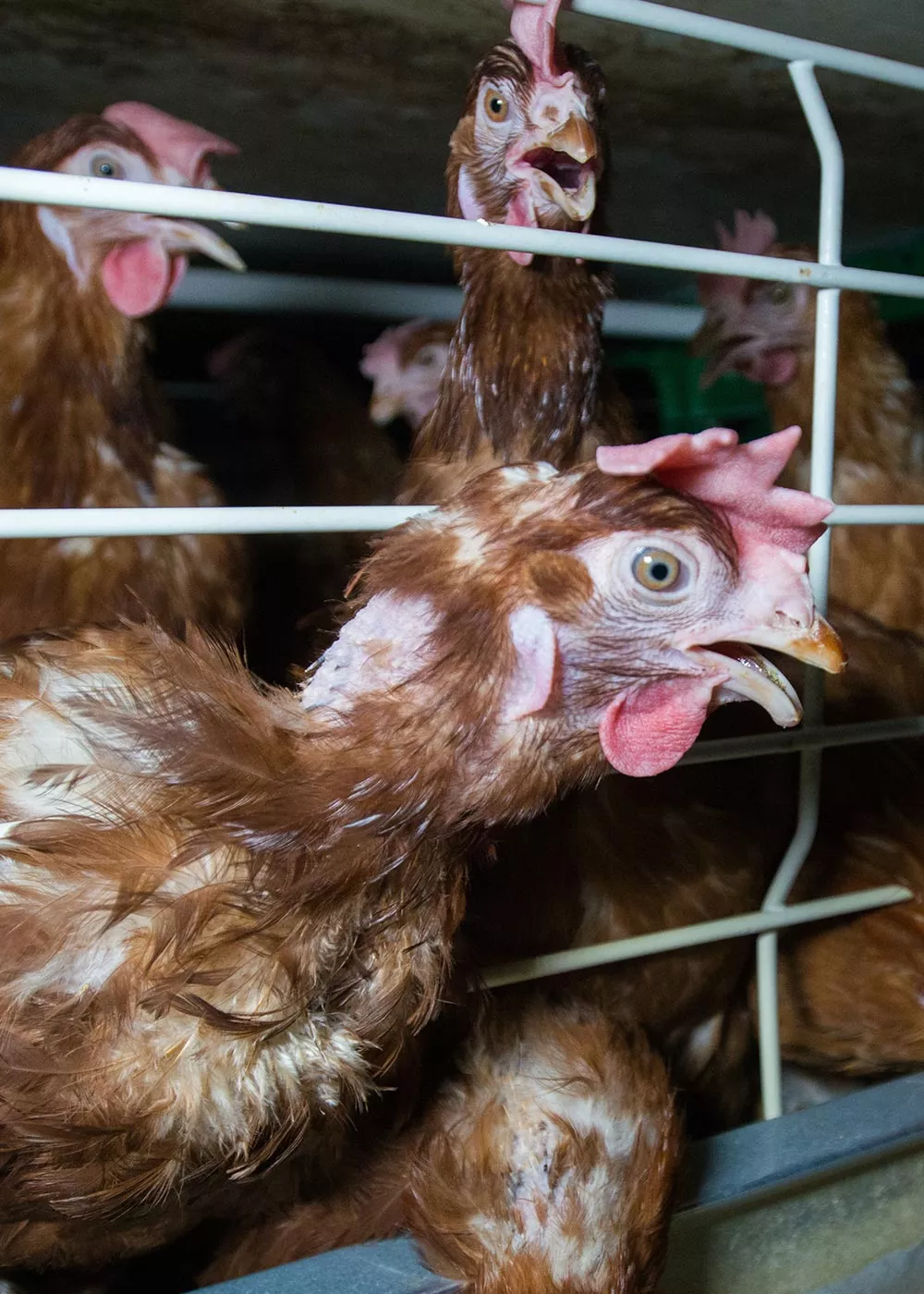
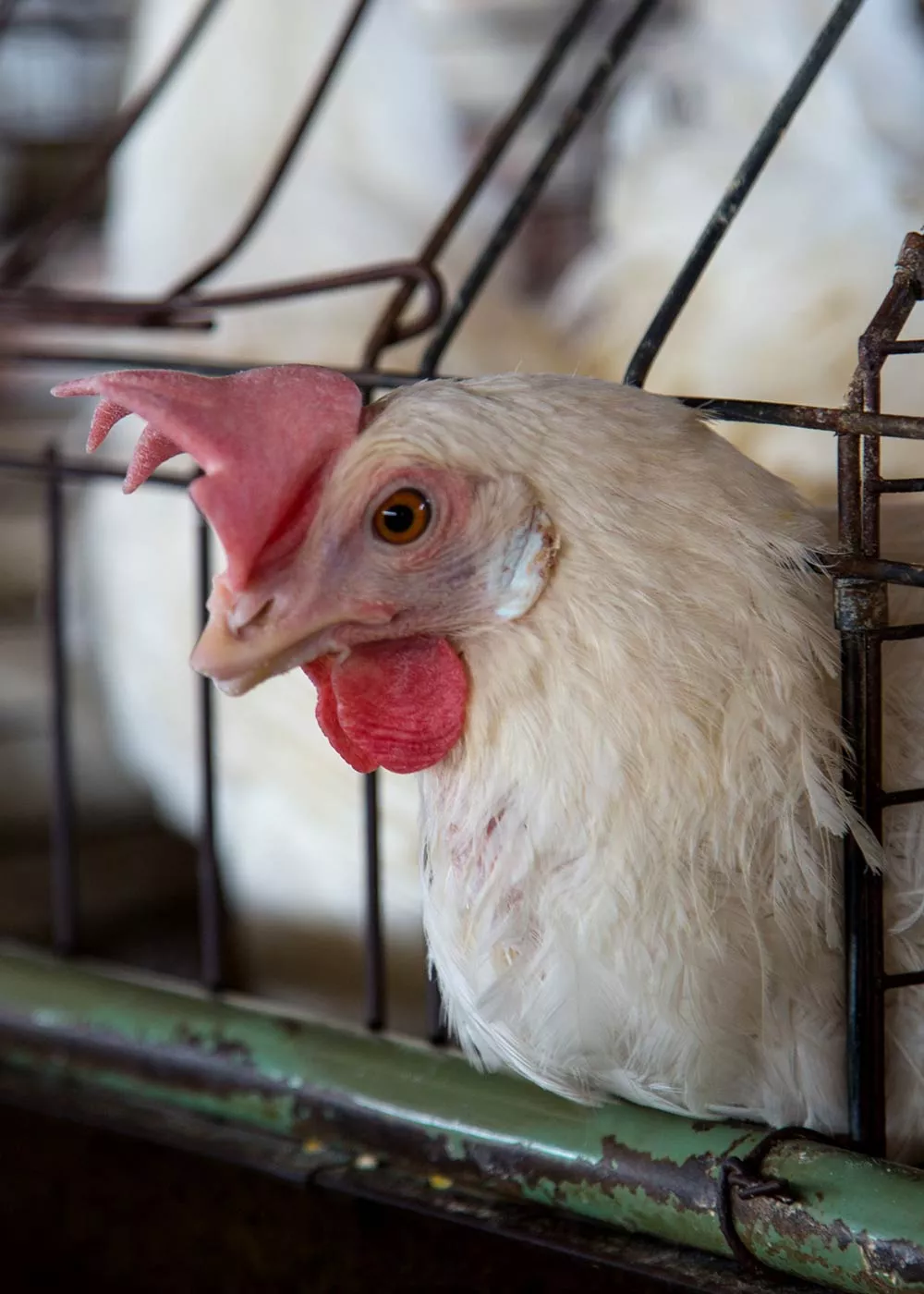
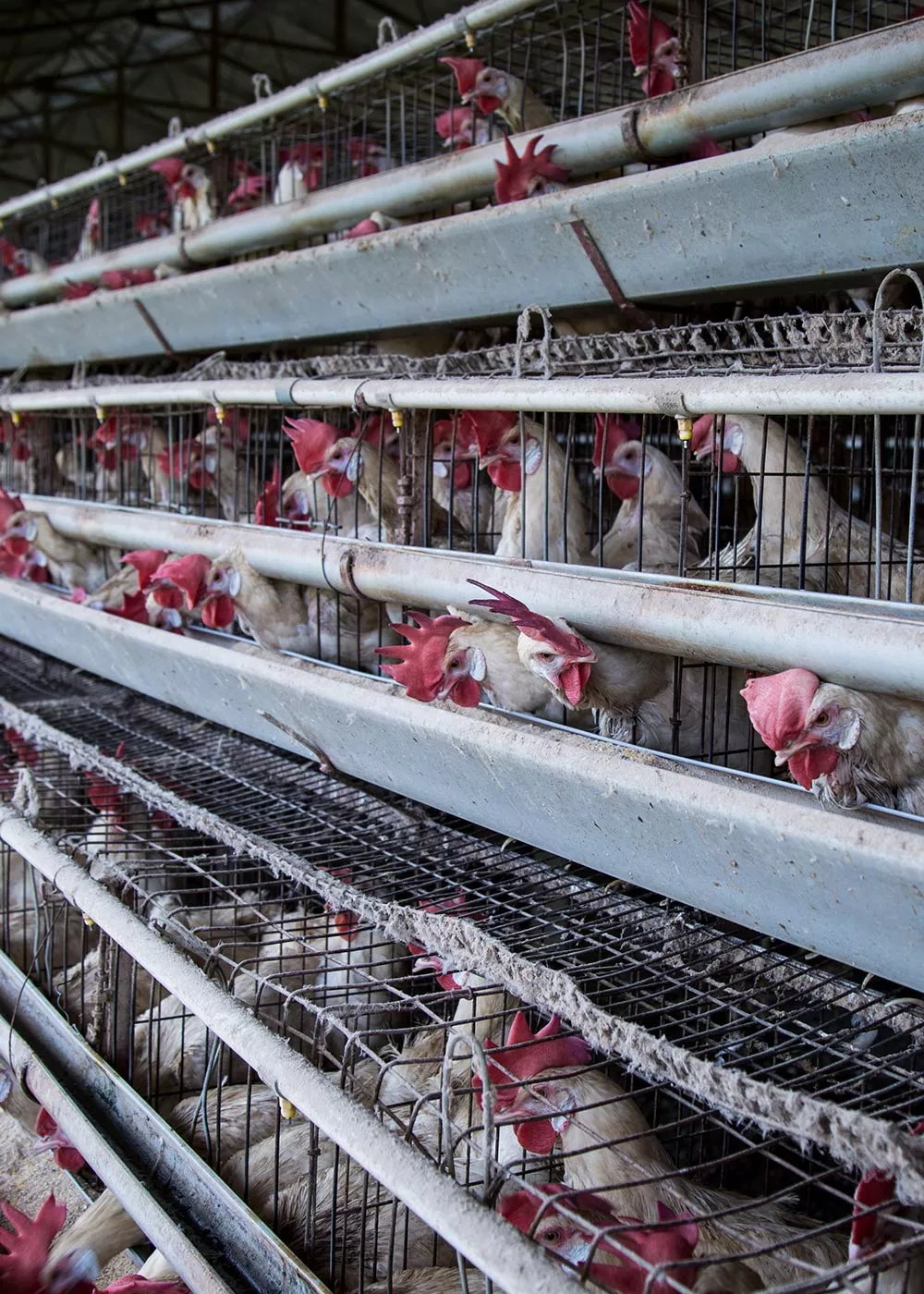
Hens are social animals who like to forage for food, take dust baths, perch, and care for their families. Selectively bred to produce the maximum number of eggs, hens spend up to two years packed in wire cages with six other birds. The cages are so small and crowded that hens cannot spread their wings or exhibit other natural behaviors.

Like the animal agriculture industry, factory egg farms have major environmental consequences.
For every egg consumed, half a pound of greenhouse gases are produced. Aside from the large amounts of ammonia and carbon dioxide produced, the egg industry also uses large amounts of pesticides. These pollute local waterways and the air.
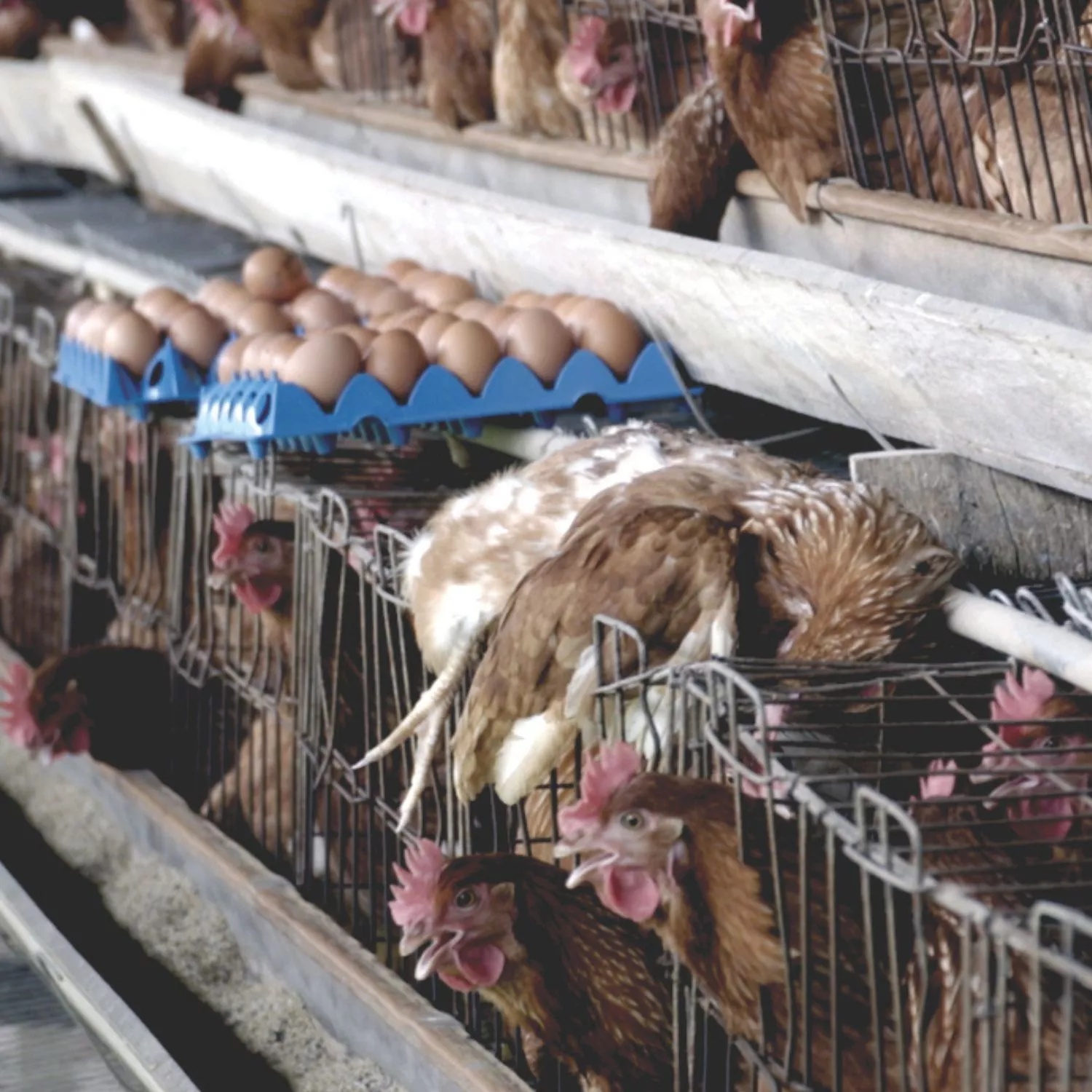
When animals are kept in crowded and dirty conditions, diseases spread quickly. One of the most serious is bird flu. When outbreaks happen, entire flocks—sometimes millions of birds—are killed to stop the disease. These conditions also allow other illnesses like Salmonella and E. coli to grow, putting both animals and people at risk.
What YOU can do to help
Demand that corporations remove cages from their supply chains and protect animals from cruelty.
Share this campaign
Marriott International doesn’t want the public to know about the suffering they are allowing. You can shine a light on the truth:
Thank you for taking action to end cages.
Support our campaigns with a donation so we can keep speaking up for farmed animals.
WHAT ANIMAL EQUALITY IS DOING
Through investigations and corporate outreach, Animal Equality has secured more than 60 policy commitments from corporations aimed at improving the lives of hens.

United States
Ahold delhaize
Ahold Delhaize’s commitment is estimated to affect about 5-7 million hens, as well as thousands of female breeding pigs.
Spain
Huevos Guillen
After negotiations with Animal Equality, Spanish egg producer Huevos Guillen commits to eliminating cages from their supply system by 2025. This policy will affect 5 million hens a year.


Brazil
Starbucks
After negotiations with Animal Equality, Starbucks commits to eliminating cages for hens in Brazil by 2025. This policy will impact 10,000 hens a year.
Italy
Carrefour
French multinational Carrefour goes cage-free in Italy after negotiations with Animal Equality impacting over 500,000 hens who won’t spend their entire lives confined in a cage.

First-ever investigations to help hens
Animal Equality presented the first-ever investigations into the cruel egg industry in both Mexico and Brazil – paving the way for a national dialogue around the way these delicate animals are exploited for food. The investigations also led to several corporate outreach victories, improving the lives of caged hens.
PROTECT THE MOST VULNERABLE
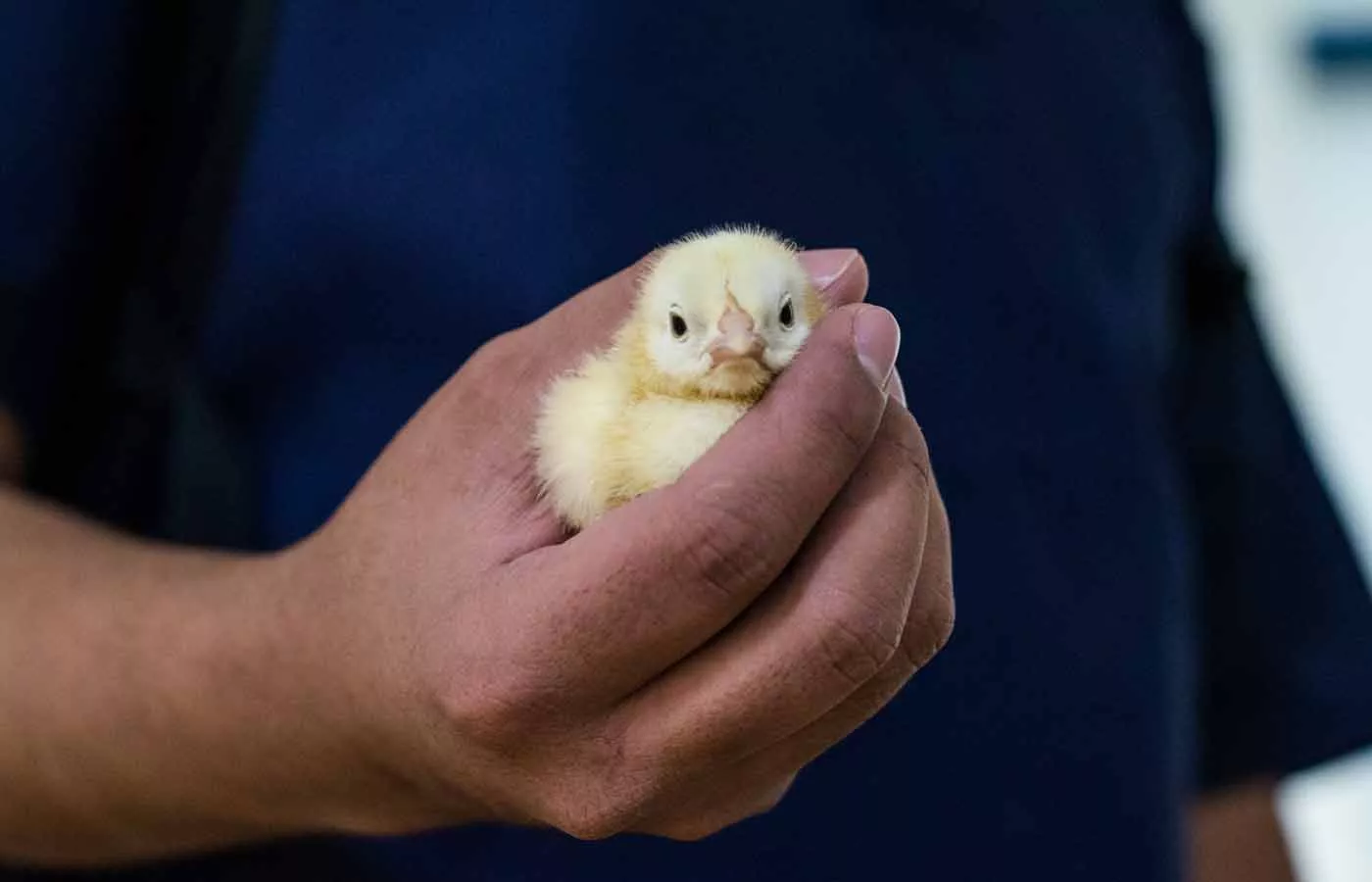
A curious chick recognizes his mother’s voice and imprints on her immediately after hatching.
You can defend these family bonds by choosing plant‑based alternatives to eggs.