
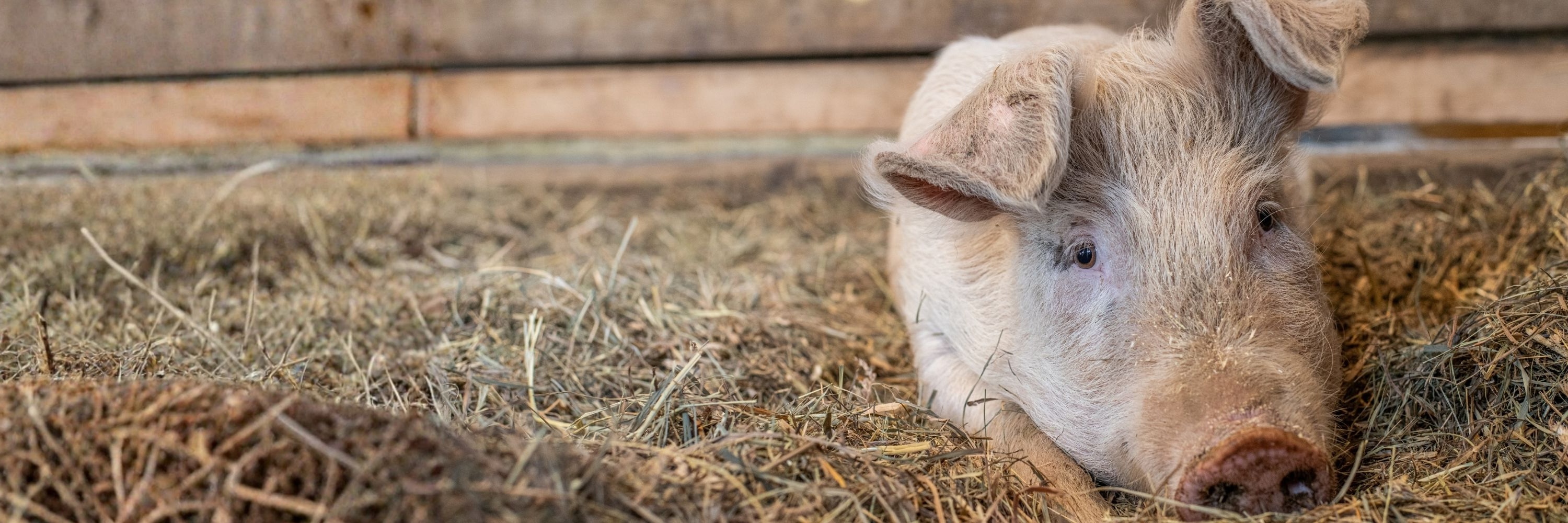
Farmed animals are more than we’ve been told

A curious pig? A gentle cow? A clever chicken? A majestic horse?
Pick your favorite below. You’re about to discover something that may change the way you see them forever.
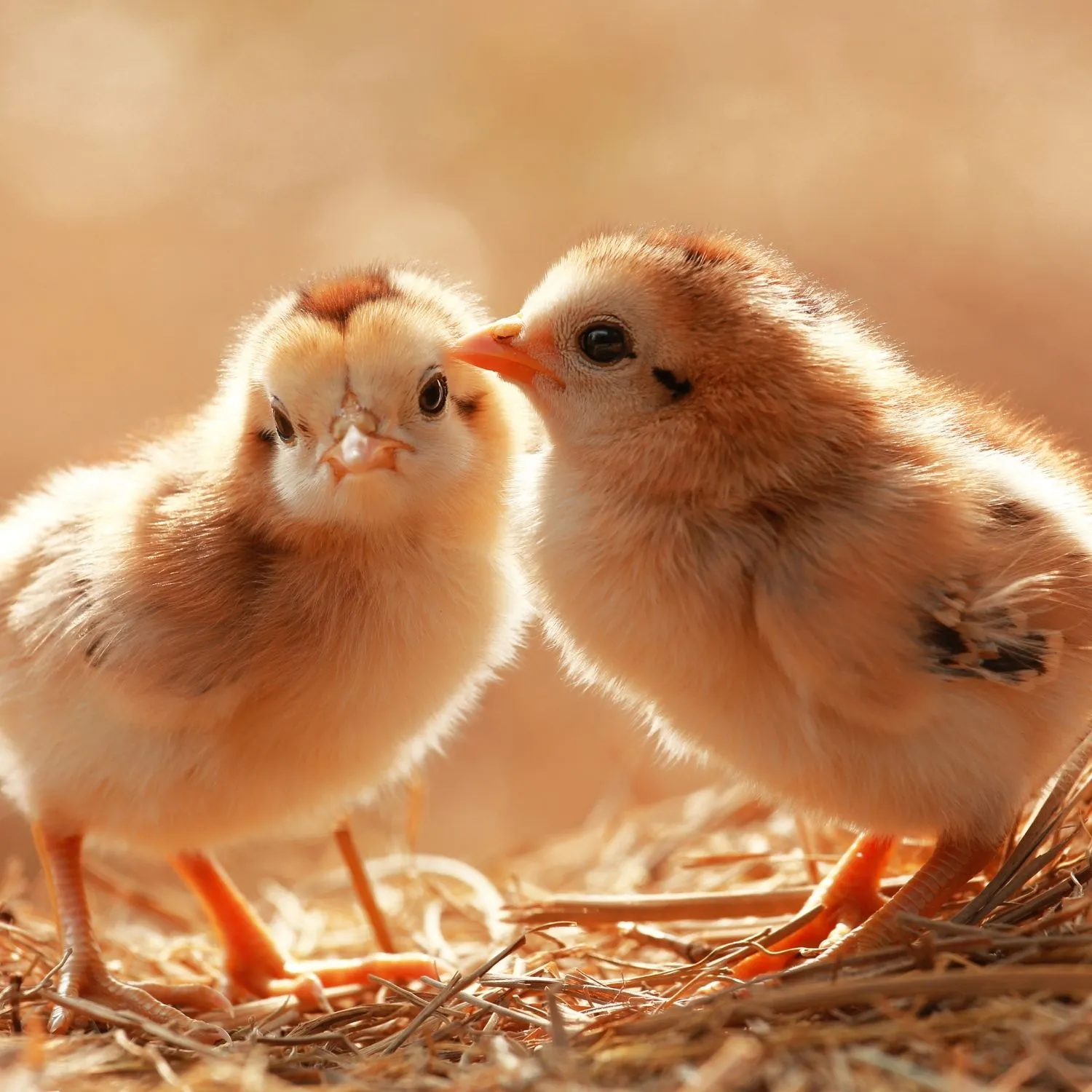
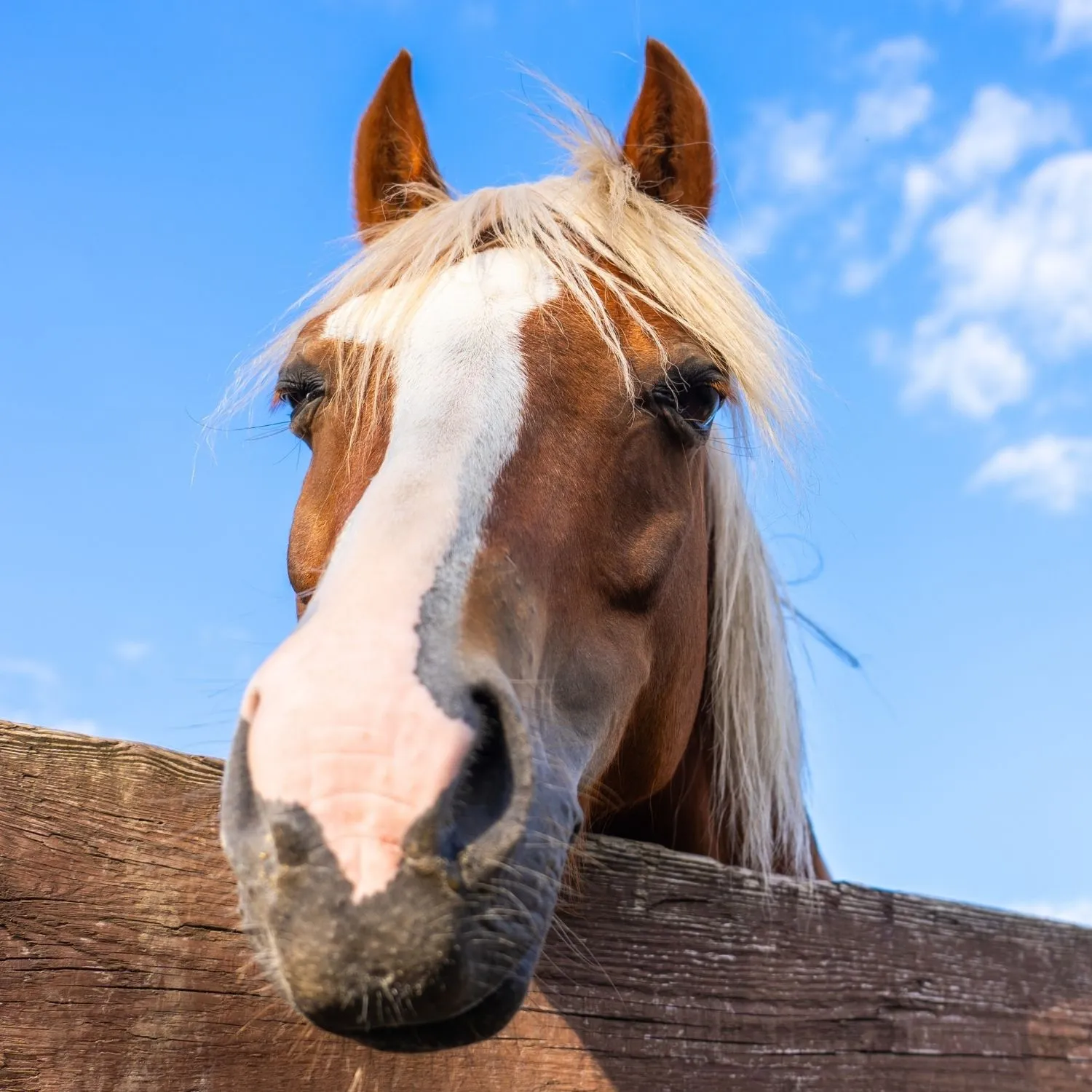
We’re often taught to think of farmed animals as food before we ever have the chance to see them as individuals.
But look closer.
Cows remember people and form close social bonds. Pigs are remarkably intelligent, playful, and curious. Chickens communicate with one another, recognize individuals, and experience pain and fear.
They aren’t interchangeable units of production. They’re individuals with their own needs, personalities, relationships, and experiences.
And when you understand who they really are, it’s harder to look away from what happens to them.
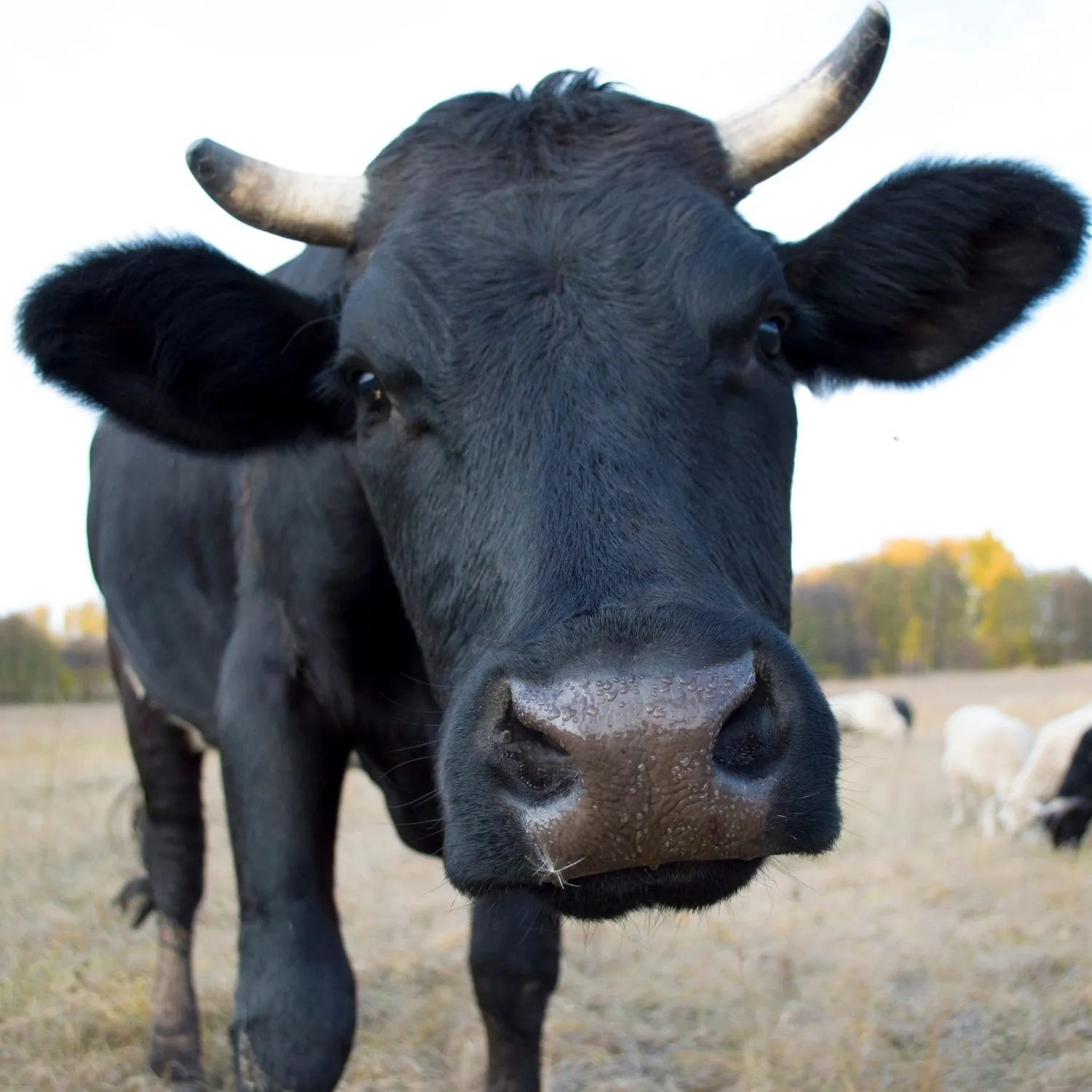
Cows remember. They connect. They grieve.
Cows are highly social animals. They form friendships, recognize individual humans and other cows, and can remember experiences over time.
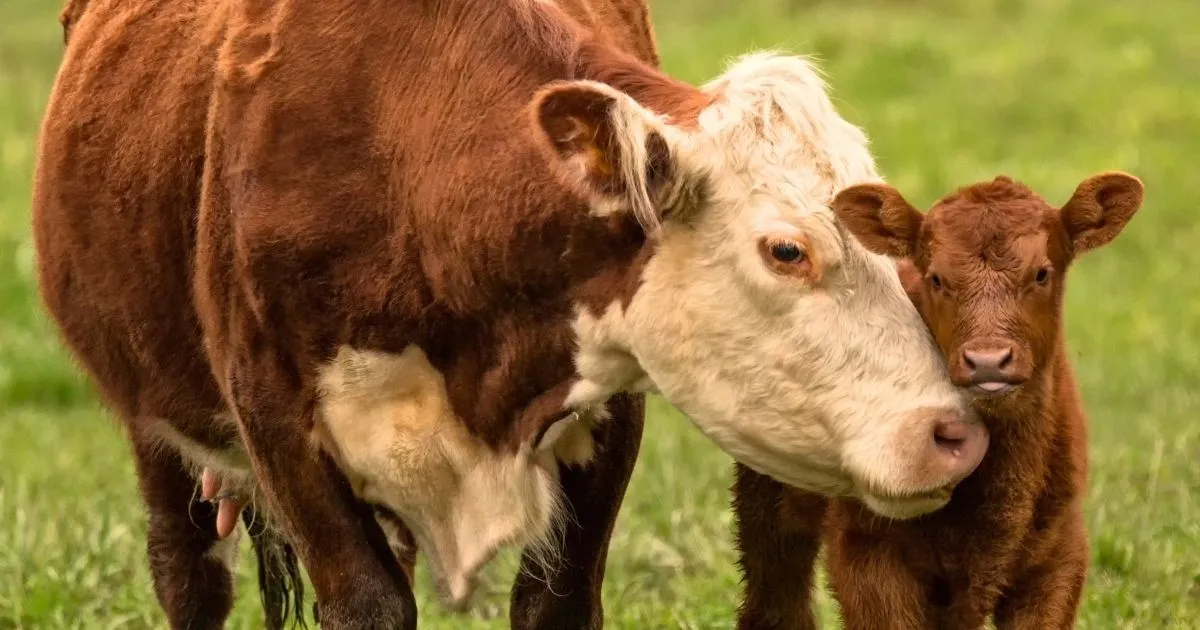
They also show clear signs of distress when separated from animals they are bonded with.
Their world isn’t limited to eating and sleeping. Cows investigate their surroundings, communicate with one another, and develop preferences and relationships.
Research into cow behavior and cognition has challenged the idea that cattle are unintelligent or emotionally simple.
But inside the dairy industry, many cows are treated as production animals rather than individuals.
Animal Equality’s investigations have documented the conditions cows can face within dairy farming, including injury, confinement, and painful procedures.
The cow you just chose isn’t simply “a cow.”
She’s someone who can experience fear, comfort, pain, and connection.
And she deserves to be seen that way.
Explore what makes cows special
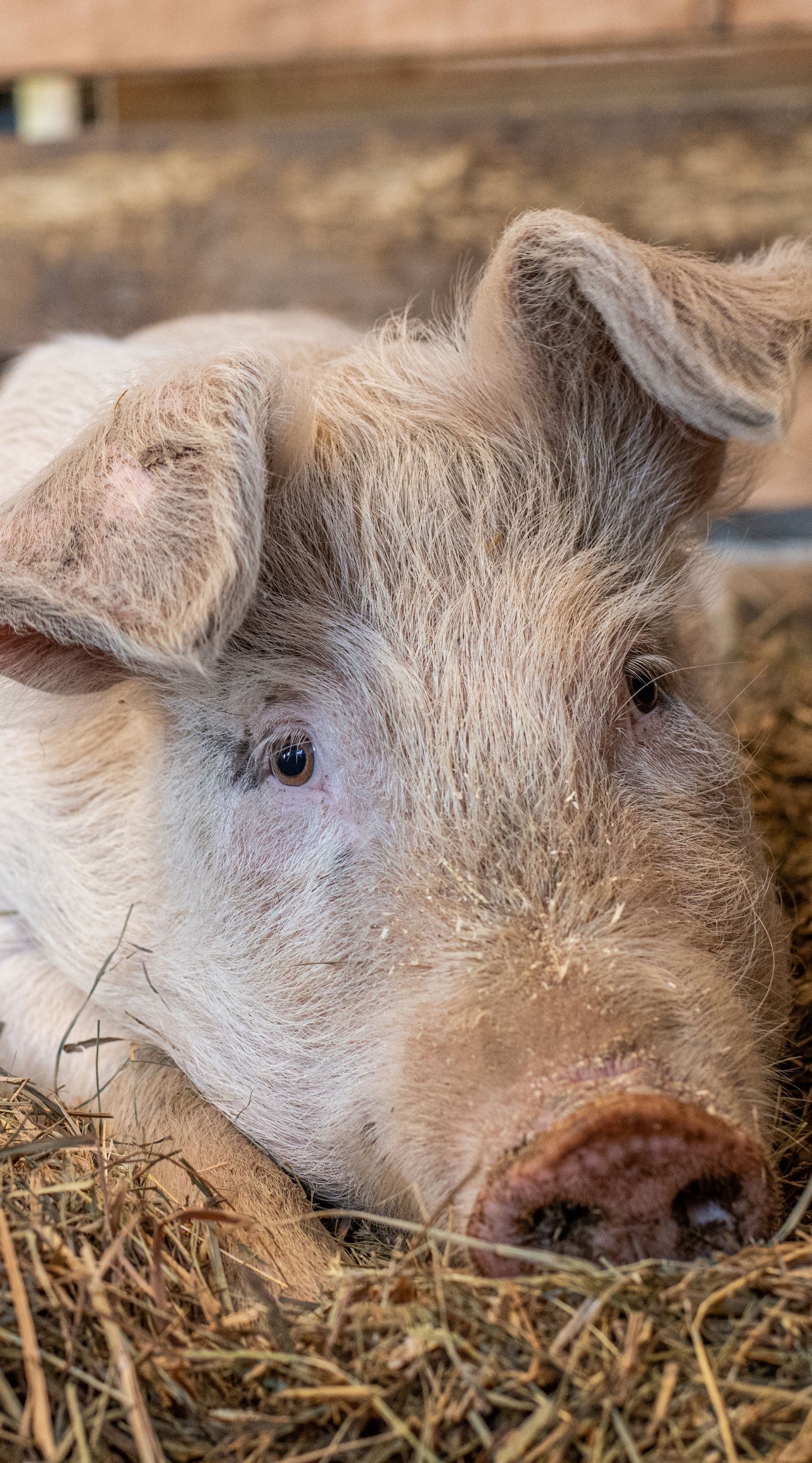
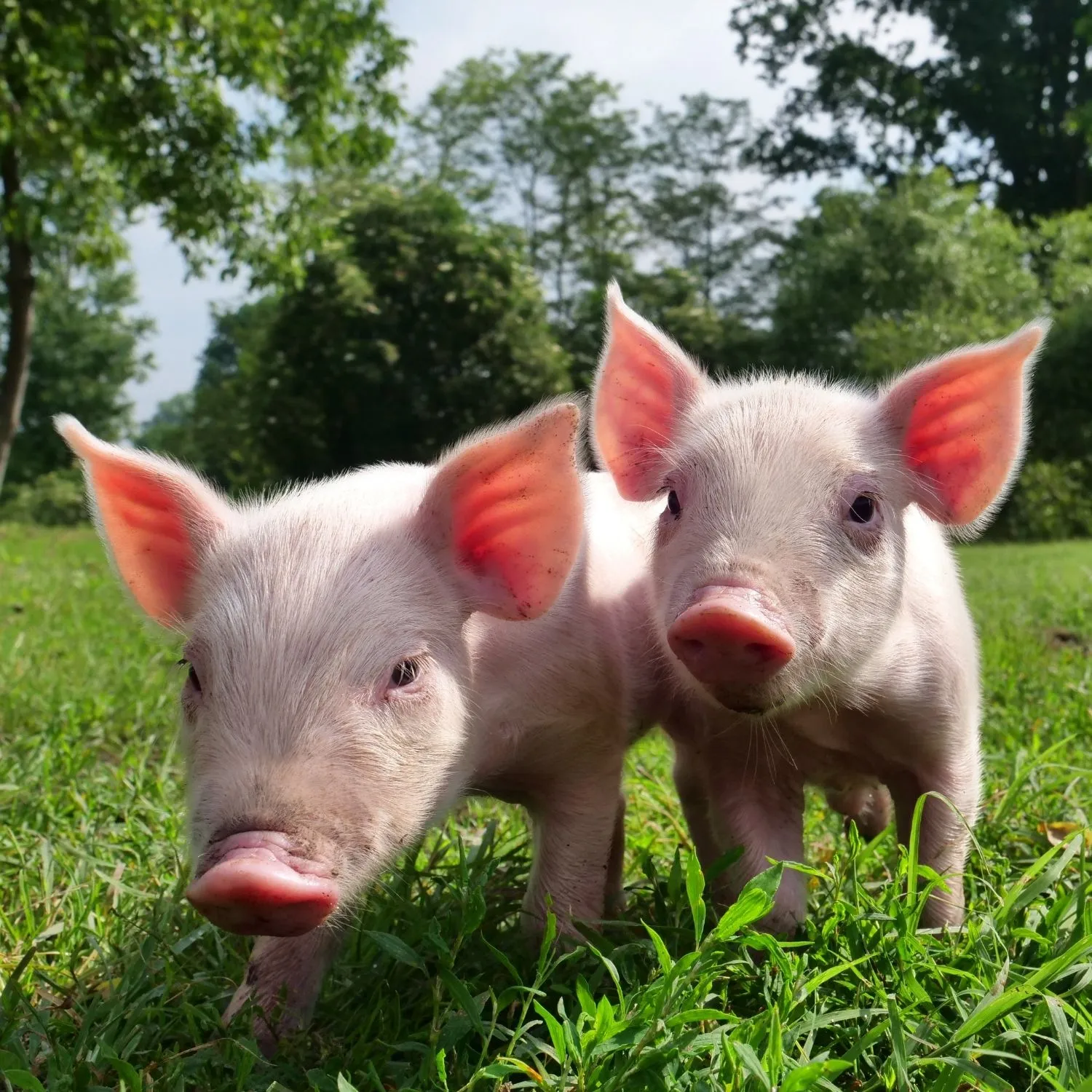
Pigs are intelligent, social, and curious.
Pigs are among the most intelligent animals raised for food.
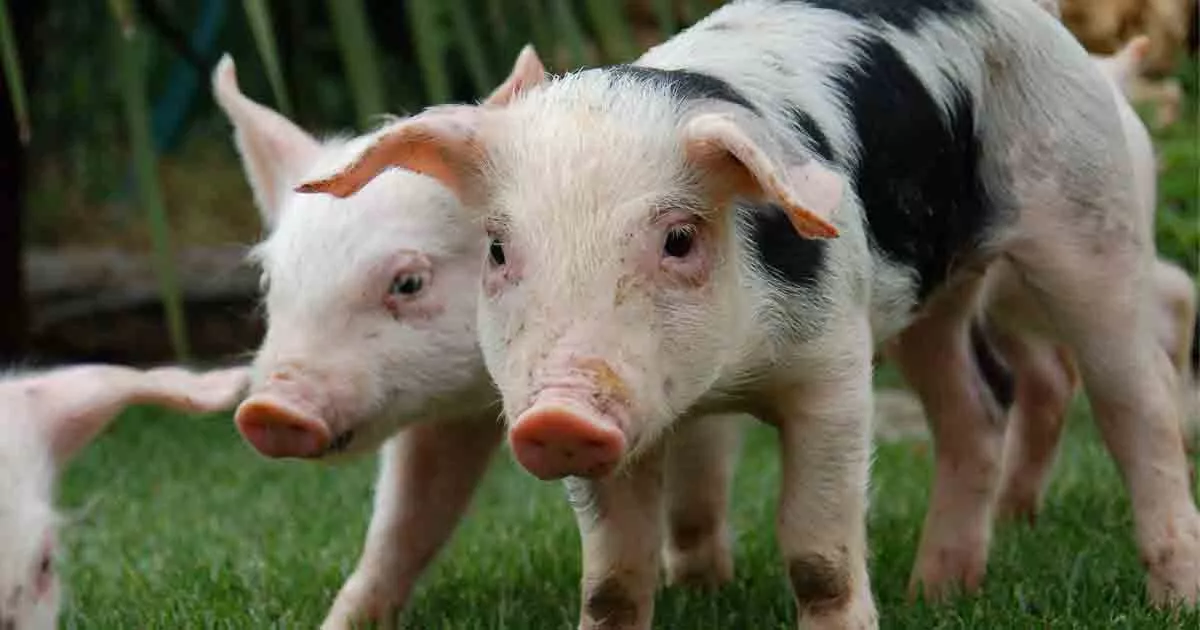
They can learn complex tasks, solve problems, remember information, and navigate social relationships. They are also naturally curious animals who spend much of their time exploring their surroundings.
Given the opportunity, pigs play, investigate new objects, communicate with one another, and form social bonds.
Their intelligence and emotional lives are increasingly recognized by scientists studying pigs.
Yet modern farming systems can leave pigs with little opportunity to express these natural behaviors.
Animal Equality’s investigations have documented pigs living in restrictive, stressful conditions, where their ability to move, explore, and interact naturally is severely limited.
The pig you chose isn’t an ingredient.
He’s a curious, social individual whose life matters to him.
Think you know pigs? Find out.
Chickens feel pain. They feel fear. They form social bonds.
Chickens are often underestimated.
But research shows they are capable of far more than many people realize. They communicate through a wide range of vocalizations, recognize individuals, learn from their surroundings, and display complex social behaviors.
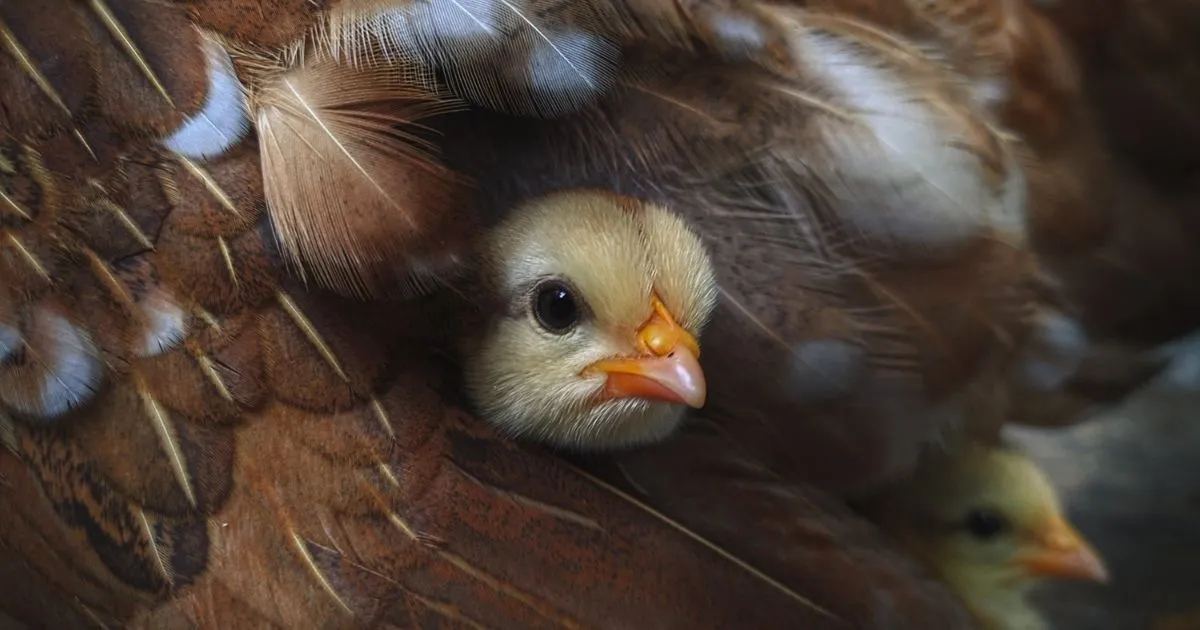
They also experience pain and fear.
A chicken who is injured doesn’t simply continue as if nothing happened. A chicken who is frightened responds to the threat around her. And chickens can form social relationships within their groups.
Animal Equality’s investigations into chicken farming have documented what happens when these needs are ignored—from overcrowding and injuries to conditions that prevent chickens from moving and behaving naturally.
The chicken you chose isn’t “just a chicken.”
She’s an individual who can experience the world around her.
Horses remember, communicate, and form deep social bonds.
Horses are highly social animals with strong memories and sophisticated ways of communicating. They can recognize familiar individuals, learn from past experiences, and develop lasting relationships with other horses and people.
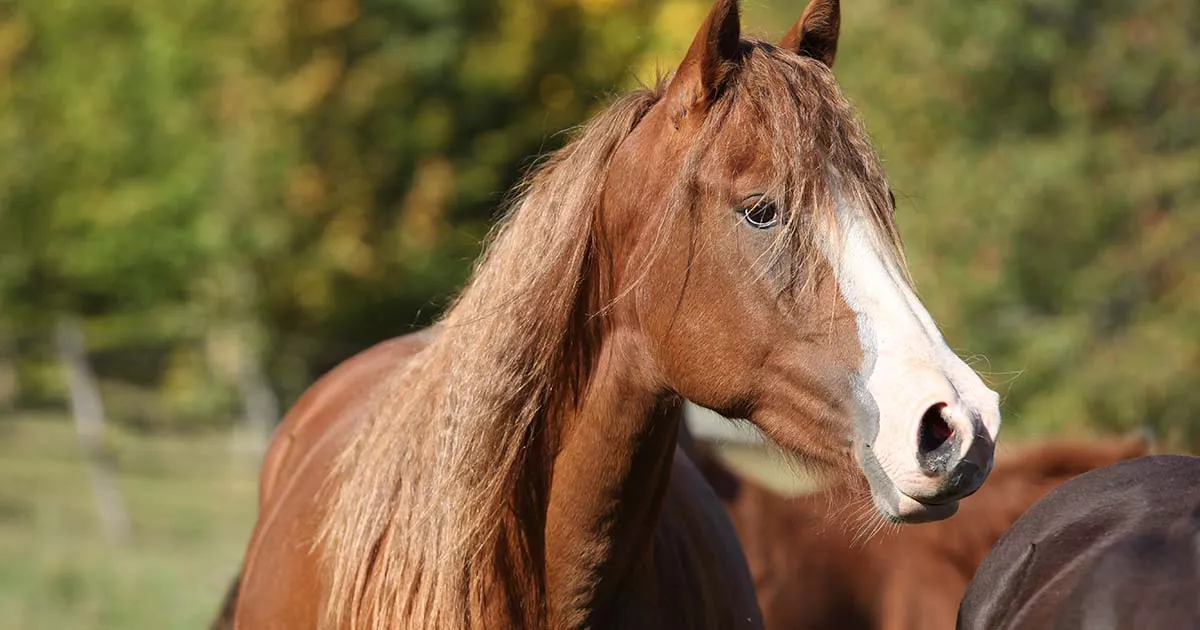
They also have clear emotional responses to their surroundings. A horse can experience fear, stress, comfort, and excitement—and can remember experiences that shape how they respond to people and situations in the future.
But horses can also become part of a hidden system of exploitation.
Around the world, horses who are no longer wanted or considered profitable can enter a pipeline that ends in slaughter. Animal Equality investigations have documented what horses can endure along this journey, including transport, confinement, and conditions inside slaughterhouses.
The horse you chose isn’t simply a means of transportation, entertainment, or a commodity.
She’s an individual with memories, relationships, and a life of her own.
Explore more about the majestic horse
What we see when we look closer
Cows. Pigs. Chickens. Horses.
Different animals. Different behaviors. Different ways of experiencing the world.
But they have something important in common: they are individuals.
And yet, millions of farmed animals spend their lives in systems designed around production rather than their individual needs.
Most people will never see what happens inside these facilities.
That’s why Animal Equality investigates them.
Our investigators enter farms, hatcheries, slaughterhouses, and other facilities to document conditions firsthand. Through photographs, video, and direct observation, they create evidence of what animals experience behind closed doors.
That evidence matters.
It allows the public to see what animals endure rather than relying on industry assurances. It gives journalists, policymakers, and advocates information they can act on.
Most importantly, investigations reveal the individuals hidden behind the products on store shelves.
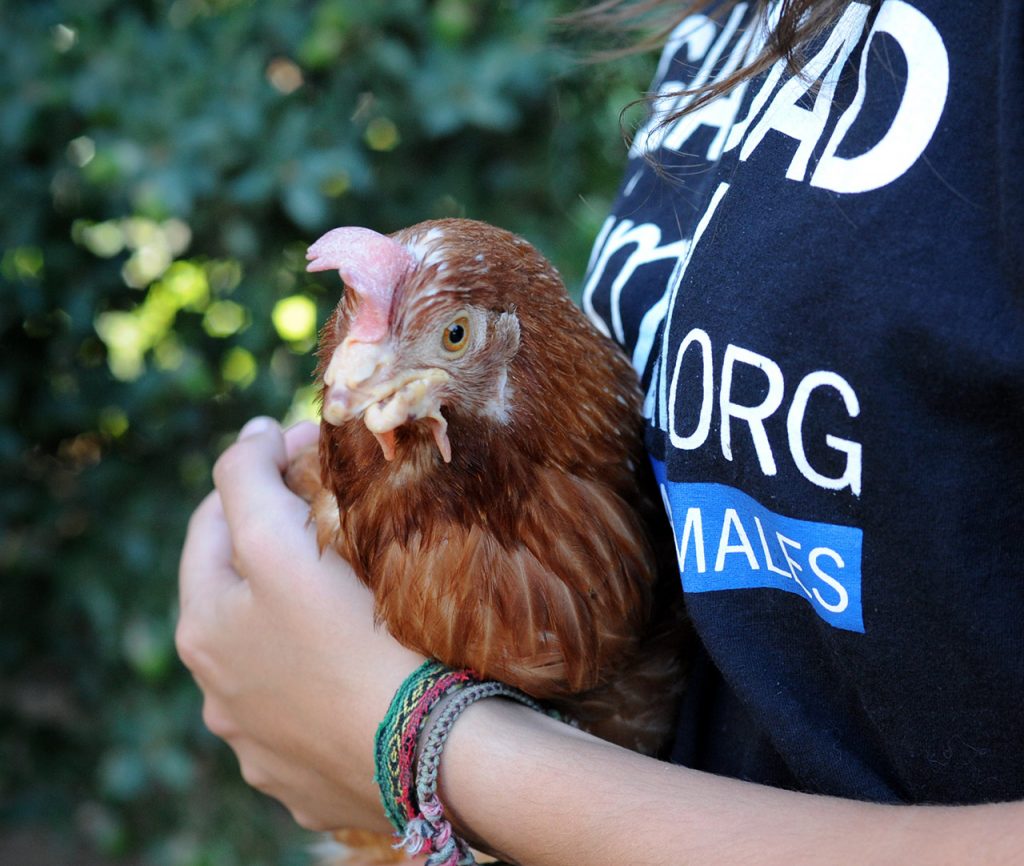
Live kindly
With rich emotional lives and unbreakable family bonds, farmed animals deserve to be protected.
You can build a kinder world by replacing animal food products with plant‑based ones.